Based in Oristano, Sardinia, and inspired by the legacy of Grazia Deledda, Nobel Prize in Literature.
It is about to begin. A low-residency graduate program taught in English, combining intensive residencies with individual mentoring and guided by an internationally established faculty. Offered by SSML San Domenico, in Rome, an higher education institute authorized by the Italian Ministry of Education, University and Research and taught by with an impressive number of teachers and writers.
The Deledda Master’s in Creative Writing & Translation is an international graduate program designed for writers and translators at various stages of creative development, including adult learners and working professionals. The program offers a rigorous yet flexible framework for advanced literary work, combining intensive in-person residencies with long-term individualized mentoring. Students can pursue sustained creative practice while continuing their professional and personal lives.
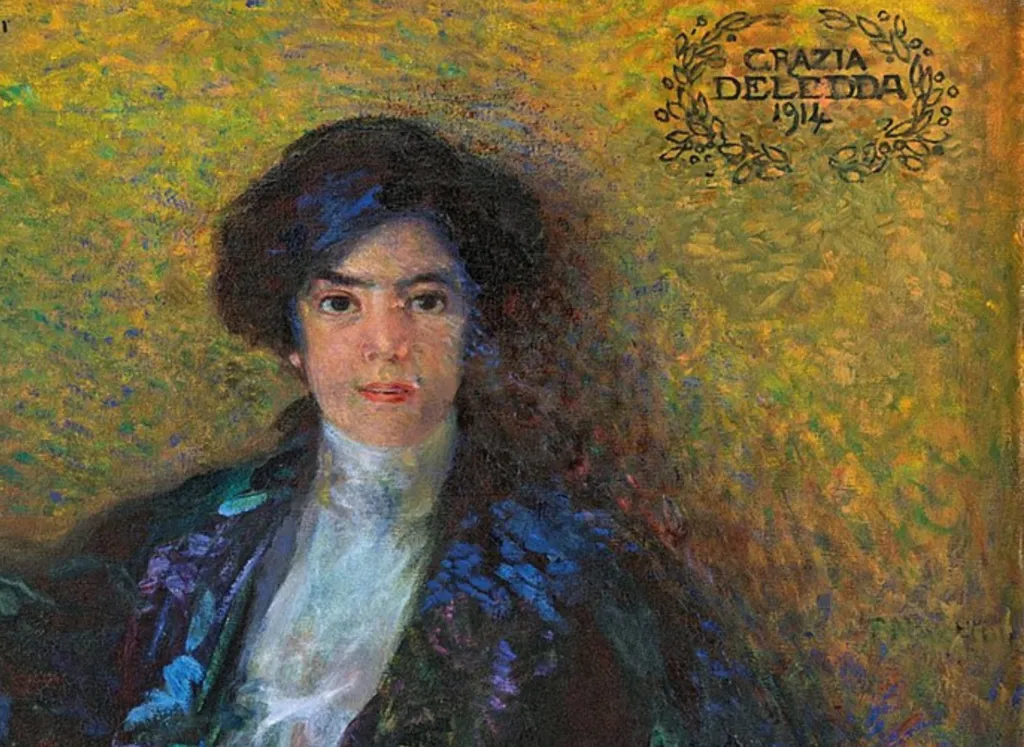
Rooted in Sardinia, the Master provides a setting that encourages focus, depth, and reflection – essential conditions for serious writing and translation. Our distinctive approach combines academic rigor with the flexibility needed by working professionals. The low-residency format features one-week intensive residencies combined with structured mentoring at a distance. The international faculty includes writers, translators, and educators of established international reputation. Creative writing is the core discipline, with literary translation introduced progressively. The program offers a distinctive cultural context, fostering cross-cultural perspectives and long-term intellectual exchange.
This is the website: https://deleddamaster.com
Grazia Deledda and Sardinia
Grazia Deledda (born September 27, 1871, Nuoro, Sardinia, Italy – died August 15, 1936, Rome) was a novelist influenced by the verismo (“realism”) school in Italian literature. She was awarded the Nobel Prize for Literature in 1926.
Deledda married very young and moved to Rome, where she lived quietly, frequently visiting her native Sardinia. With little formal schooling, Deledda wrote her first stories at age 17, focusing on sentimental treatments of folklore themes. With Il vecchio della montagna (1900; “The Old Man of the Mountain”), she began to explore the tragic effects of temptation and sin among primitive human beings.
Among her most notable works are Dopo il divorzio (1902; After the Divorce); Elias Portolu (1903), the story of a mystical former convict in love with his brother’s bride; Cenere (1904; Ashes; film, 1916, starring Eleonora Duse), in which an illegitimate son causes his mother’s suicide; and La madre (1920; The Woman and the Priest; U.S. title, The Mother), the tragedy of a mother who realizes her dream of her son’s becoming a priest only to see him yield to temptation. In these and other works – more than 40 novels – Deledda often used Sardinia’s landscape as a metaphor for the difficulties in her characters’ lives. The ancient ways of Sardinia often conflict with modern mores, and her characters are forced to resolve their moral issues. Cosima, an autobiographical novel, was published posthumously in 1937.