With UNESCO recognition and vibrant traditions, Verona preserves a heritage that lives on every day.
Every day, working in the heart of Verona, I hear the same question: “Is Verona really that special?” I always smile, because those who ask often do not realise they are walking within a two-thousand-year-old miracle.
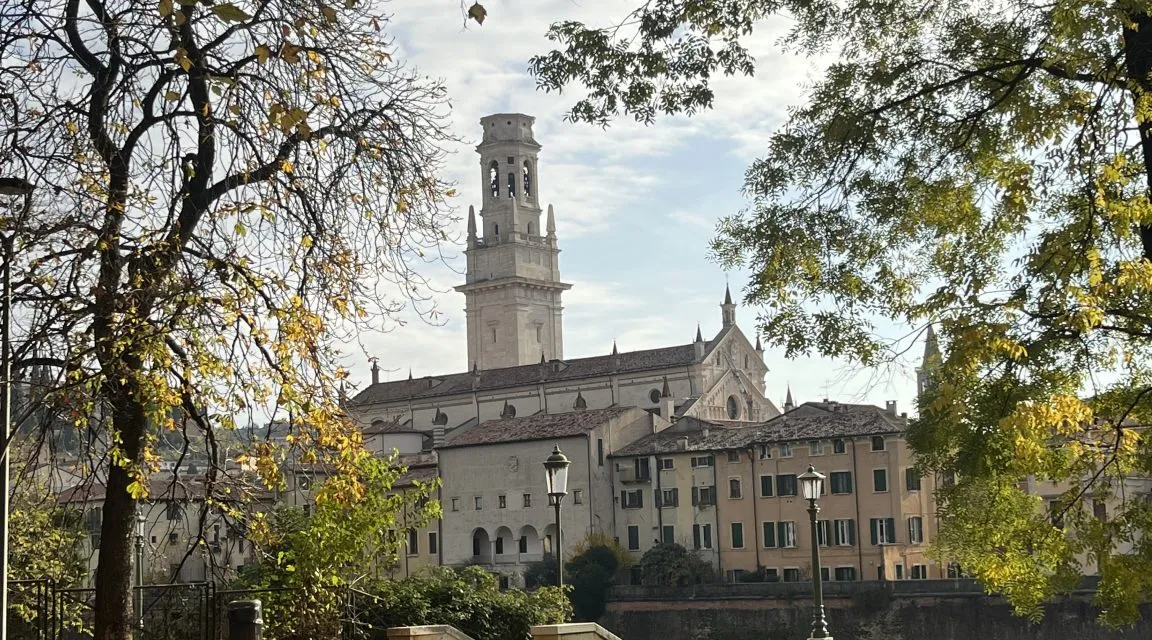
Our historic centre has been a UNESCO World Heritage Site since 2000: not a brochure slogan, but recognition of a living city shaped by Roman, medieval and Austro-Hungarian heritage, admired worldwide.
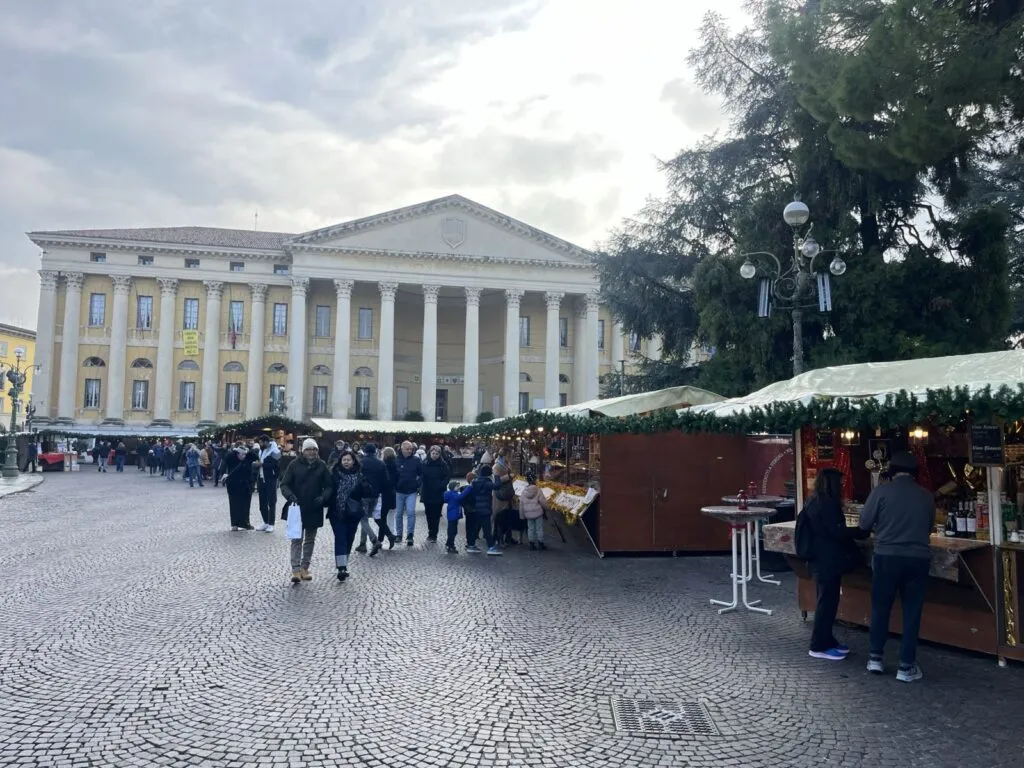
This heritage is not mere decoration; it is a responsibility. Every stone, arch, and shop carries a fragment of our past. For those of us who work here, welcoming people from around the world is not just an advantage – it is an honour.
Yet many visitors, and at times even we Veronese, perceive only the postcard surface. Verona deserves more. It deserves to be narrated and truly felt: the scent of traditional shops, the strength of its customs, the quiet gestures handed down through generations.
That is why I find the Valpolicella wine area’s pathway towards UNESCO recognition for the grape-drying technique so meaningful – the craft behind Amarone and Recioto. It is knowledge transmitted, not taught, an ideal bridge between city and hills, stone and wine.
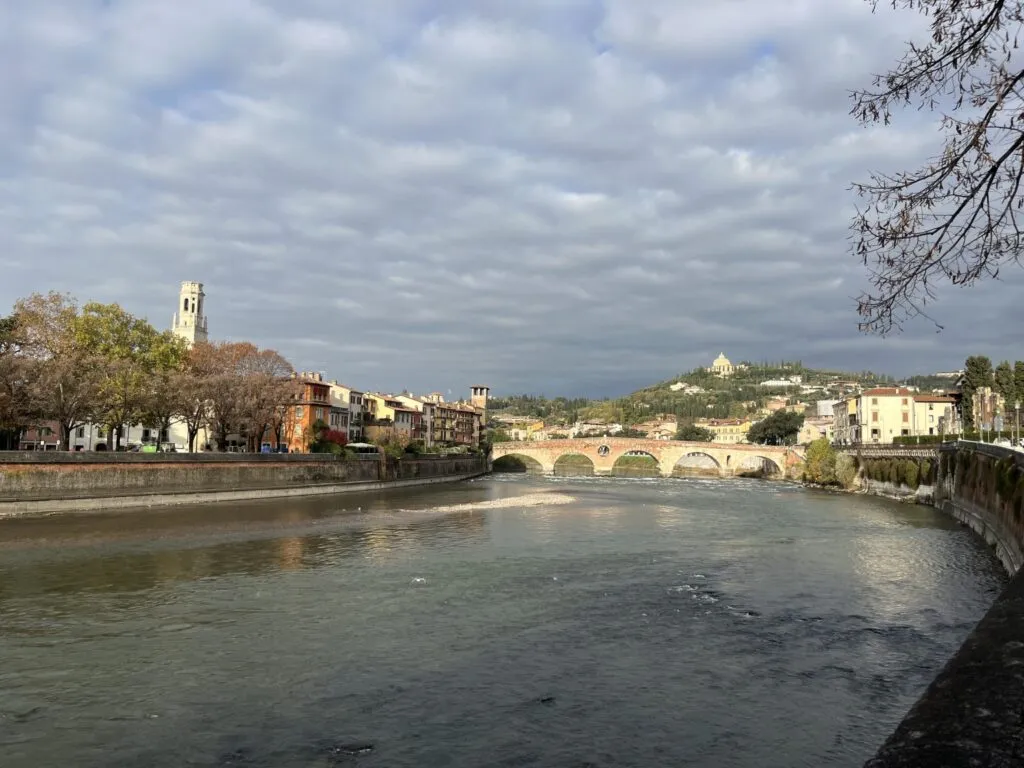
And then there is our intangible heritage: Tocatì, recognised by UNESCO as a Good Safeguarding Practice. A festival that protects not only traditional games but the idea that heritage consists not just of walls, but of the culture that inhabits them. A powerful reminder that defending Verona also means supporting its social fabric, its historic shops, its living community.
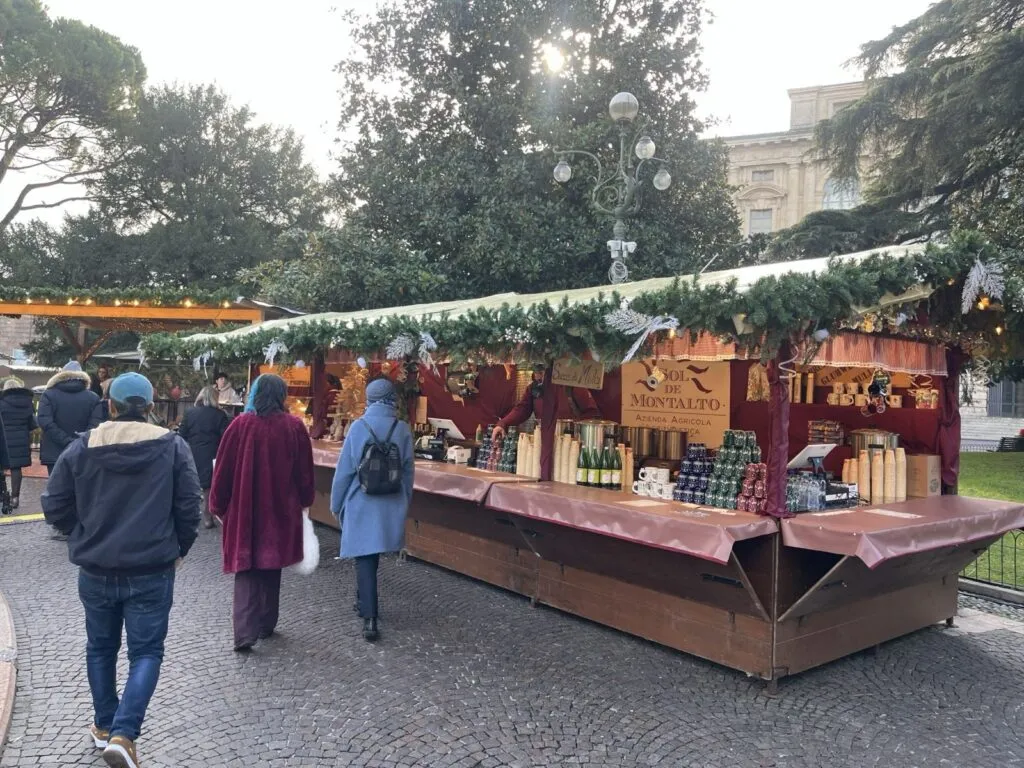
Verona is not simply a place to visit: it is an emotion to understand, a story to guard together. And we – citizens and operators – have the task, and the privilege, of making that story felt by all who arrive.
Simone Vesentini
(Referent Fiepet Confesercenti)
UNESCO Recognitions and What They Mean
. Verona Historic Centre – UNESCO World Heritage Site (2000)
Recognition of material heritage: monuments, architecture and urban landscapes of outstanding universal value.
Verona is protected as a historic city that preserves two thousand years of continuous history.
. Tocatì – UNESCO Register of Good Safeguarding Practices (2022)
Recognition of intangible heritage: not buildings, but actions and communities that preserve living traditions.
It means Verona protects not only stones and monuments, but also the culture that inhabits them: play, social life, community.
.Grape-drying technique (appassimento) in Valpolicella – on the path to UNESCO recognition
A developing candidature as intangible cultural heritage: an agricultural and artisanal practice passed down through generations.
.The craft behind Amarone and Recioto is acknowledged as a defining cultural value of the territory.