(Angelo Paratico) Pope Leo XIV had lunch yesterday at the Apostolic Nunciature, then visited the Palazzo della Minerva in the early afternoon, where the Library of the Senate of the Republic is located. He was welcomed by Senate President Ignazio La Russa, accompanied by Secretary General Federico Silvio Tonato. The Pope, a man of great classical culture, did not want to miss the opportunity to see and touch the famous Bible of Borso d’Este, one of the greatest masterpieces of Italian Renaissance art.
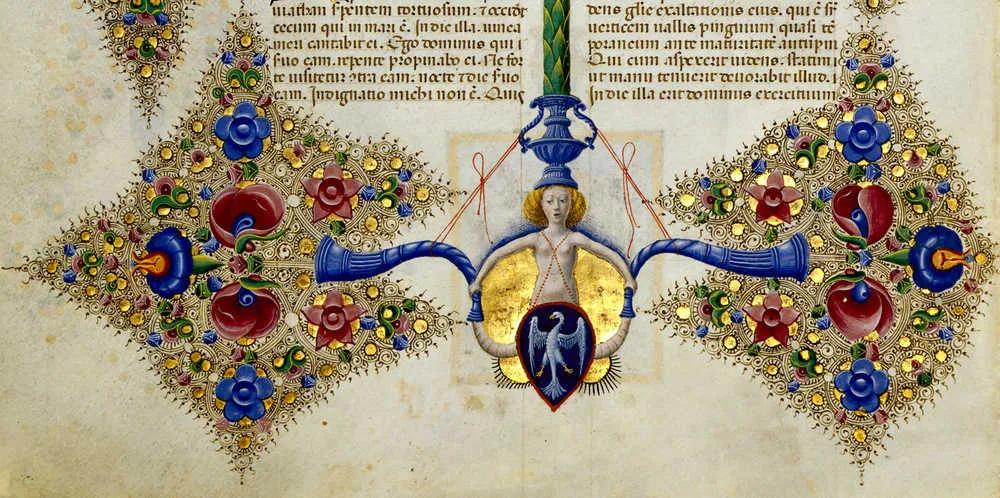
From 14 November 2025 to 16 January 2026, the “Mona Lisa among Bibles” will be on display in the Chapter Hall of the Senate of the Republic, at Piazza della Minerva 38, Rome. The exhibition, part of the Jubilee activities programme, is promoted by the Senate of the Republic, in collaboration with the Presidency of the Council of Ministers, the Ministry of Culture, the Gallerie Estensi, the Extraordinary Government Commissioner for the Jubilee, and the Treccani Encyclopedia Institute.
The masterpiece is exceptionally on display in the capital for the Jubilee, and this event is truly unique, as the manuscript is only rarely exhibited to the public. Giovanni Treccani, entrepreneur and patron of the arts, saved this masterpiece from being dispersed.
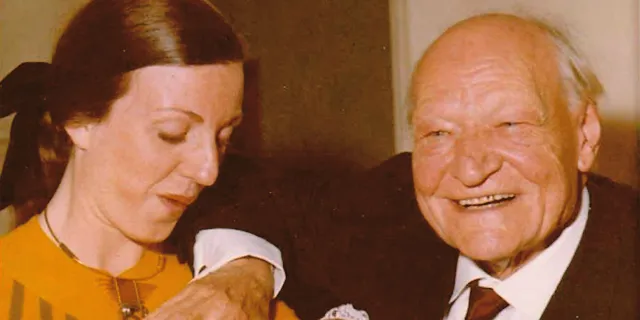
Informed of the imminent sale by Giovanni Gentile (then Minister of Education) during a meeting at Palazzo della Minerva, Treccani travelled to Paris and on 1 May 1923 purchased the Bible for 3.3 million French francs (5 million lire at the time) through the antiquarian bookseller Tammaro De Marinis.

Borso d’Este was born in Ferrara on 24 August 1413, to Marquis Niccolò III d’Este and Stella dei Tolomei dell’Assassino, who was also the mother of Lionello and Ugo. Although illegitimate, Borso was not neglected by his father, who was particularly fond of his mother. After spending his youth fighting, he devoted himself to increasing the prestige of the d’Este family.
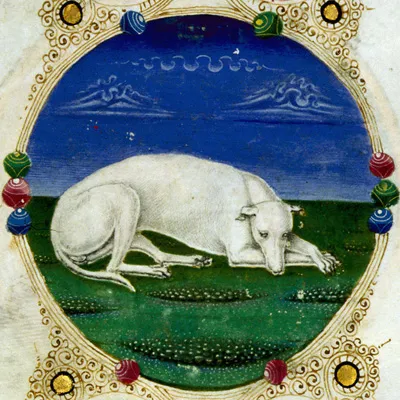
His Bible, created between 1455 and 1461 by calligrapher Pietro Paolo Marone and illuminators Taddeo Crivelli and Franco dei Russi, is one of the finest examples of the art of illumination, admirably combining ornamental refinement, artistic skill, and religious inspiration, and was executed on the finest parchment. Following the fortunes of the family, the two volumes were taken from Ferrara to Modena in 1598, where they remained until the end of the duchy in 1859. On that occasion, they were taken by Francesco V of Habsburg-Este as he went into exile and brought to Austria. In 1922, upon the death of Charles I of Austria, his widow Zita of Bourbon-Parma decided to put it up for sale.