(Angelo Paratico) San Giovanni Lupatoto is an Italian municipality with 25,000 inhabitants in the province of Verona, which it borders. It is located southeast of the provincial capital.
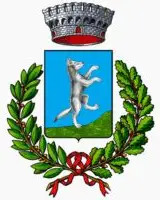
The key to understanding the origin of its unusual name (second only to San Giorgio Ingannapoltron) lies in its coat of arms, which features a wolf. In the Middle Ages, many wolves lived among the trees.
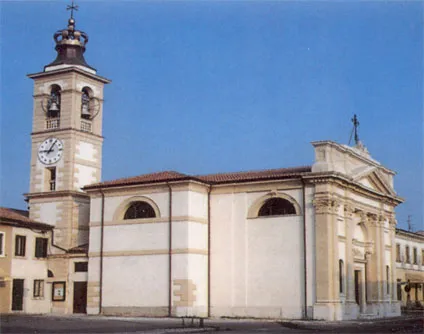
Another curiosity is the presence of a church dedicated to the Madonna who protects us from the Germans. This is the sanctuary of the Madonna dello Staffalo dei Mori o dei Tedeschi. The Landsknechts were confused with the Moors because of their ferocity, while “staffalo” is a Lombard word originally indicating a memorial stone or capital.
The origin of this church dates back to the Thirty Years’ War, during the succession of the Duchy of Mantua after the death of Vincenzo Gonzaga, when the troops of the Republic of Venice clashed with German forces. Some readers may recall that this was mentioned at the table with Don Rodrigo in Chapter V of Manzoni’s The Betrothed, in the presence of the podestà, Count Attilio, and the lawyer Azzeccagarbugli, just as Fra Cristoforo appeared.
The Veronese territory was repeatedly attacked by groups of Lanzichenecchi, who raped, stole, and set fires without being stopped. Mantua was sacked on 18 July 1630.
It seems that a column of these soldiers then headed from Mantua toward San Giovanni Lupatoto, but when they reached the northern edge of the village, where there was a staffalo – a capital painted with the image of the Blessed Virgin Mary – they unexpectedly gave up sacking the village. The inhabitants attributed the miracle of being spared to the image on the capital and decided to build a church there. When construction was completed, the capital was placed above the high altar. The foundation stone was laid on 17 July 1630, and all the inhabitants of Lupatoto participated in its construction, with numerous donations and bequests, such as those of Carlo Bianchini and his wife, Mattea Sagreda, who remains the only person buried in the church. The protection, it seems, also worked during the German occupation, which ended on 25 April 1945. The inhabitants of Lupatoto, perhaps thanks to this church, suffered no casualties.