(Angelo Paratico) I was a friend of one torpedo-men, Gino Chiari, who, after the war, moved to Argentina but visited Hong Kong from time to time. Also, Gino Birindelli, the father of Luca Birindelli, was in the same team as Bianchi during the raid on Alexandria and died at 100. Emilio Bianchi passed away aged 102, on 15 August 2015 and was noted by The Guardian, which gallantly honored him with a full-page obituary.
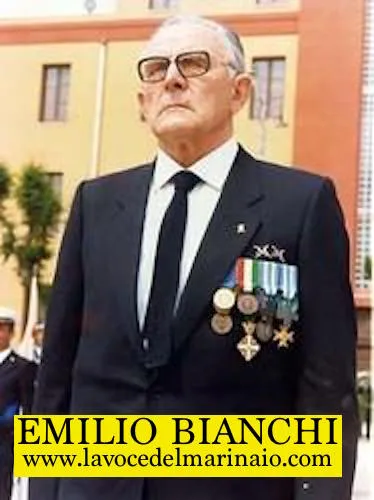
Emilio Bianchi was born in Sondalo, in the province of Sondrio, on 22 October 1912. In 1932, enlisted in the Navy and was assigned to the Palombari (frogmen) unit. After completing his course, he served on the hydrographic ship “Magnaghi”, later on the “R.I. Fiume”, and then on the training ship “Vespucci.” At the end of the 1930s, he was assigned to the Naval Academy as an instructor for the “Uomini Gamma” (Gamma Men).
Bianchi joined the Assault Units and, in 1941, accomplished the feat that earned him the Gold Medal for Military Valour as part of the raiders from the submarine Scirè, commanded by Junio Valerio Borghese. In the night between 18 and 19 December 1941, the submarine sent out three “pigs” (slow-speed torpedoes), which sank the British battleships.
Bianchi’s conversation with Lieutenant Luigi Durand De La Penne, while riding on the pig, was memorable:
“How are you, Bianchi?”
“Fine, Commander.”
“Are you afraid, Bianchi?”
“Yes, Commander…”
“Me too. Well, let’s go.”
During the mission, after placing the explosive charges, he was discovered by British sentries and taken prisoner, then imprisoned in a concentration camp. After a long period of imprisonment, first in Palestine and then in South Africa at Zonderwater, Emilio Bianchi returned to service and was assigned as an instructor, first to the Academy and then to Varignano. He retired definitively in 1964 with the rank of 1st Captain of the C.E.M.M. and was later awarded the honorary rank of Captain of Frigate. Emilio Bianchi was the last survivor of one of the most spectacular coups of the Second World War – the sinking of two British battleships in Alexandria harbour. Winston Churchill described their feat in Parliament as ‘demonstrating extraordinary courage and ingenuity.’
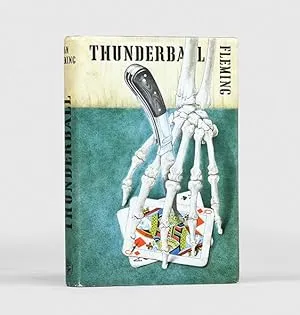
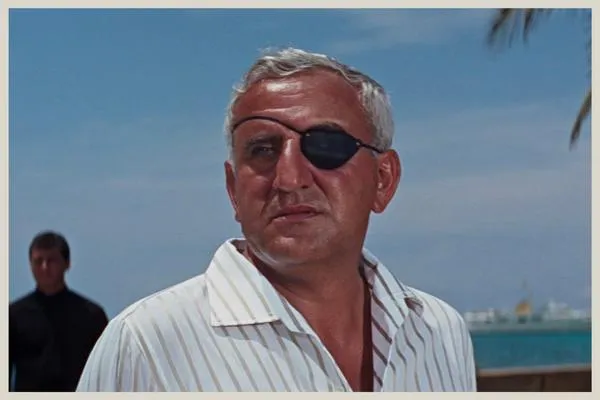
Ian Fleming in his masterpieceThunderball named his villain Adriano Largo, even if Bianchi was not a villain at all, but a simple and brave man.