(Angelo Paratico) A Roman scholar of the 4th century AD, reflecting on the state of his society, wrote: “In schools, singers have taken the place of teachers of rhetoric. Libraries are being closed forever, like tombs.” This sense of an ending was shared by many writers of the time; for example, Sidonius Apollinaris, the great writer and Bishop of Clermont-Ferrand, who was related to the imperial family of Rome but witnessed their downfall and the rise of Germanic barbarians.
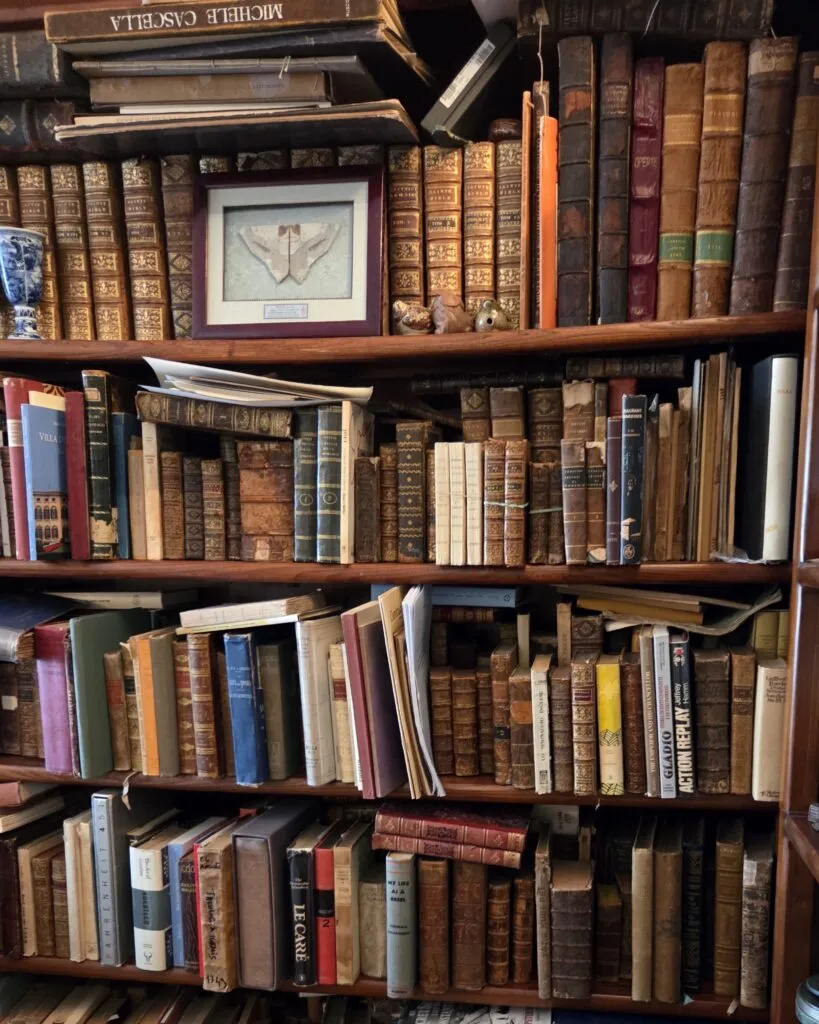
Humanistic culture has always been bibliocentric. The fall of a society is often reflected in a growing disinterest in books, the true cornerstones of sanity and memory. We can observe this phenomenon even today, as singers are replacing professors and libraries are disappearing. One of the most striking aspects is young people’s lack of interest in ancient books, which until a few decades ago were objects of desire for many highly cultured men and women. Umberto Saba, Giuliano Vassalli, and Giulio Tremonti were all bibliophiles and avid collectors of incunabula (books printed before 1501).
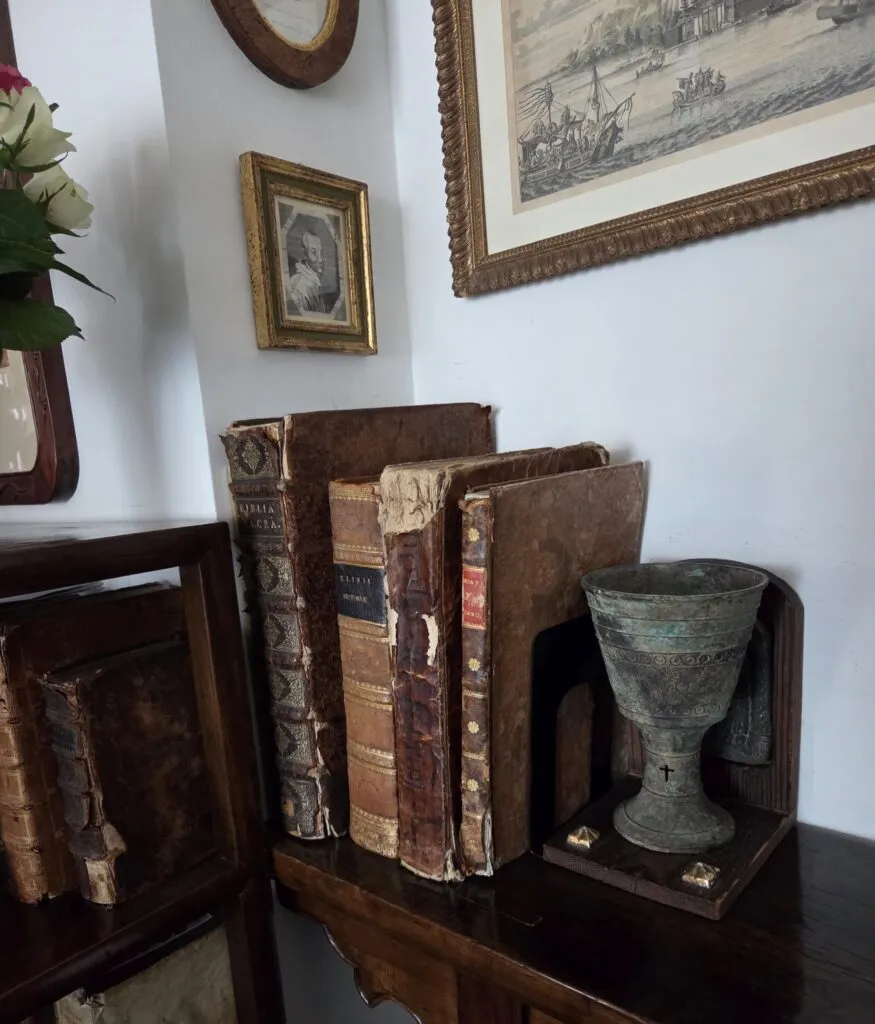
All good things, if taken to excess, become harmful. An excessive love of books as objects of desire is called bibliomania. Today, it is a very rare manic-depressive illness, yet Adolf Hitler himself suffered from it. He spent sleepless nights reading and owned a personal library of around 20,000 volumes, a third of which have been preserved and are now held in the Library of Congress in the United States. Some were sent to Moscow, and many others were stolen by American soldiers. The problem with his bibliomania was that, as Benito Mussolini noted, Hitler “always drank from the same well.” In other words, he tended to read and collect only books that reinforced his preconceptions, not those that challenged them. Those who knew him were aware that the best way to improve his mood during a meeting was to present him with a rare book – not necessarily an antique, but hand-printed on heavy paper, autographed by the author, illustrated, and well-bound.
Bibliomania is a very dangerous illness for which there is no cure. As Wikipedia notes, “bibliomania should not be confused with bibliophilia, which is the (psychologically healthy) love of books and, as such, is not considered a clinical psychological disorder… bibliomania is characterized by the collection of books that have no use for the collector nor any great intrinsic value for a true book collector. The purchase of multiple copies of the same book and the same edition, and the accumulation of books beyond one’s capacity to use or enjoy them, are frequent symptoms of bibliomania.”
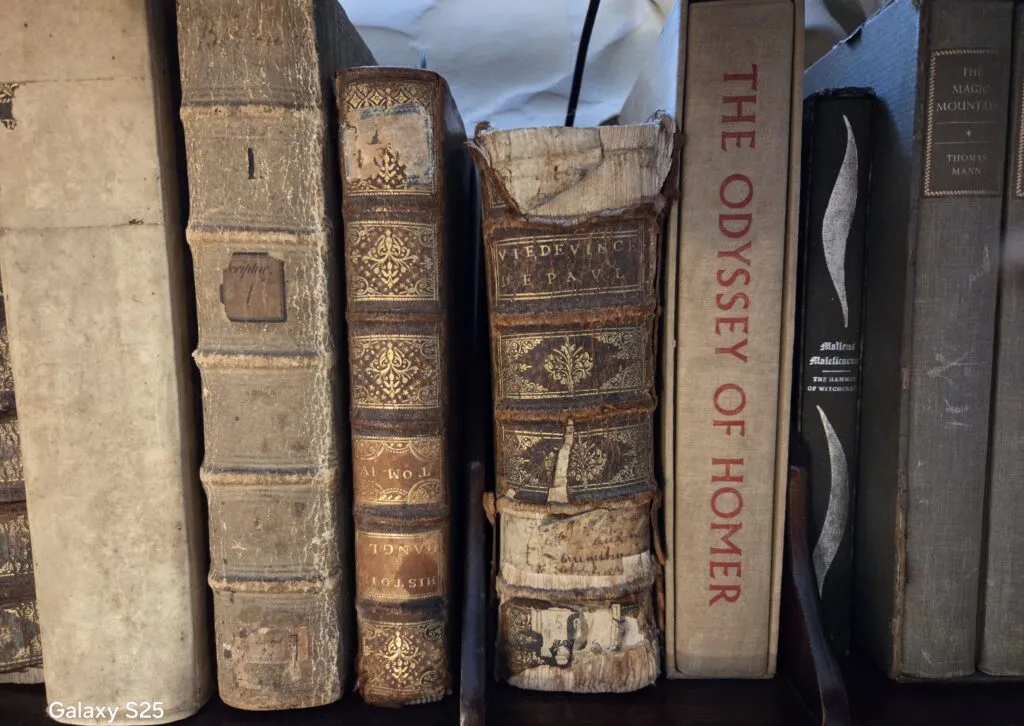
The British millionaire Heber filled eight of his mansions across four countries with his collection of some 200,000 rare and valuable books. In 1869, Alois Pichler, originally from Bavaria, became head of the Imperial Public Library in St. Petersburg, Russia. A few months later, staff discovered that an alarming number of books were disappearing. In March 1871, over 4,500 books stolen from the library, on subjects ranging from perfume-making to theology, were found in his possession. Pichler was tried, found guilty, and exiled to Siberia. Count Libri was no less a thief than Pichler, with the aggravating circumstance that he used to tear out the pages that interested him most, even from some of Leonardo da Vinci’s manuscripts.