(Angelo Paratico) The Verona PRO 4 Women Association is a non-profit organization that aims to create a network connecting professional women in Verona, enabling them to support each other in their professional development and foster dialogue on diversity, gender equality, and work-life balance.
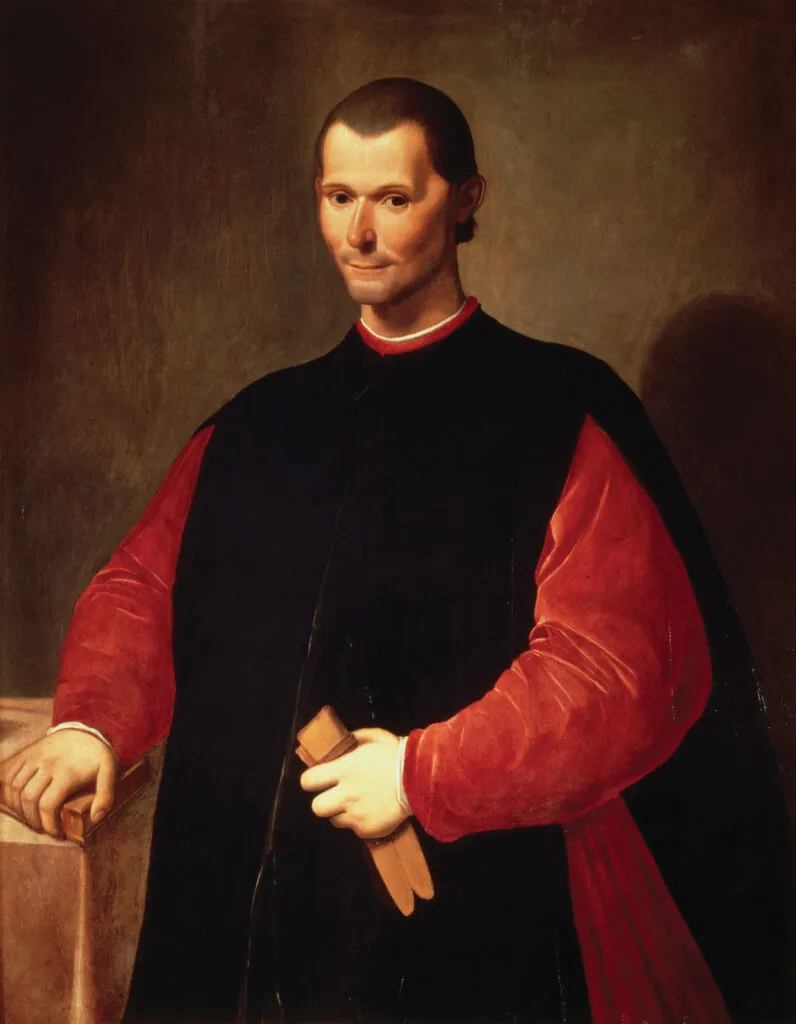
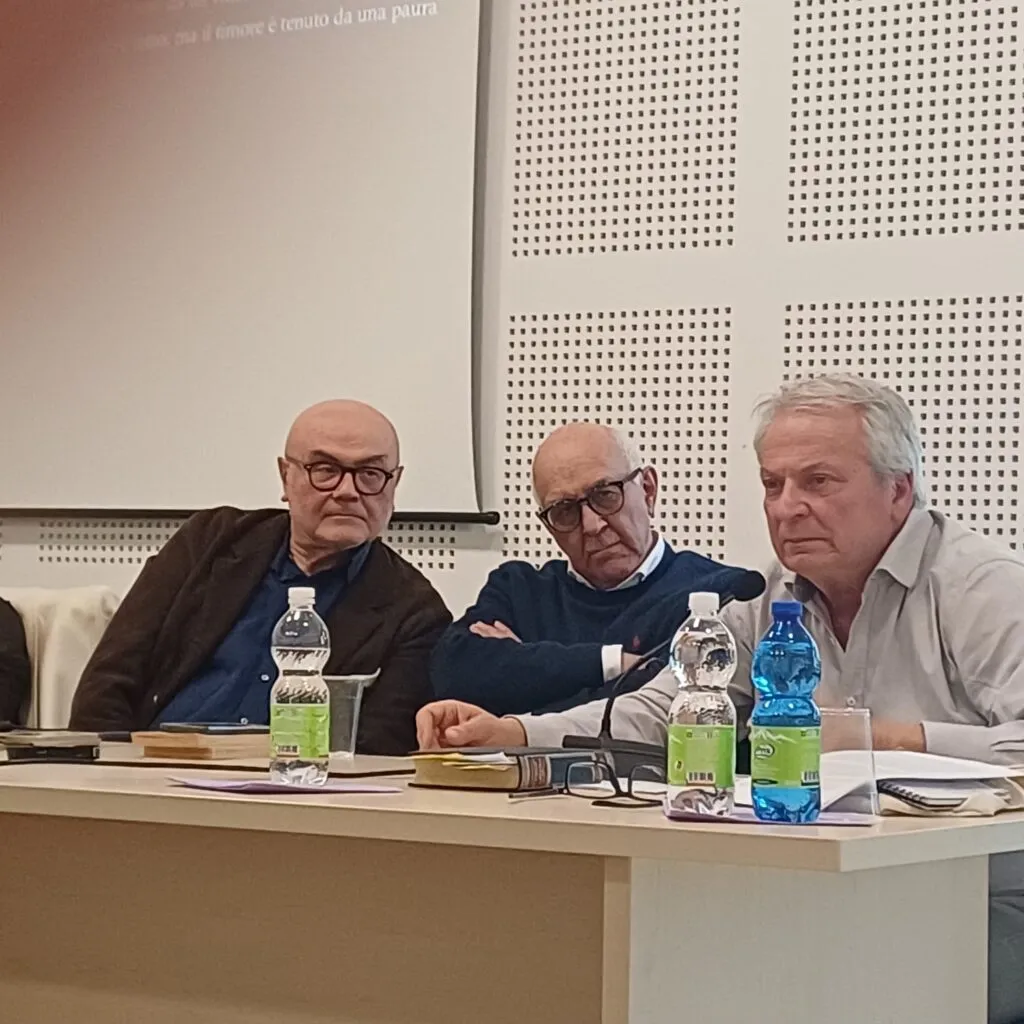
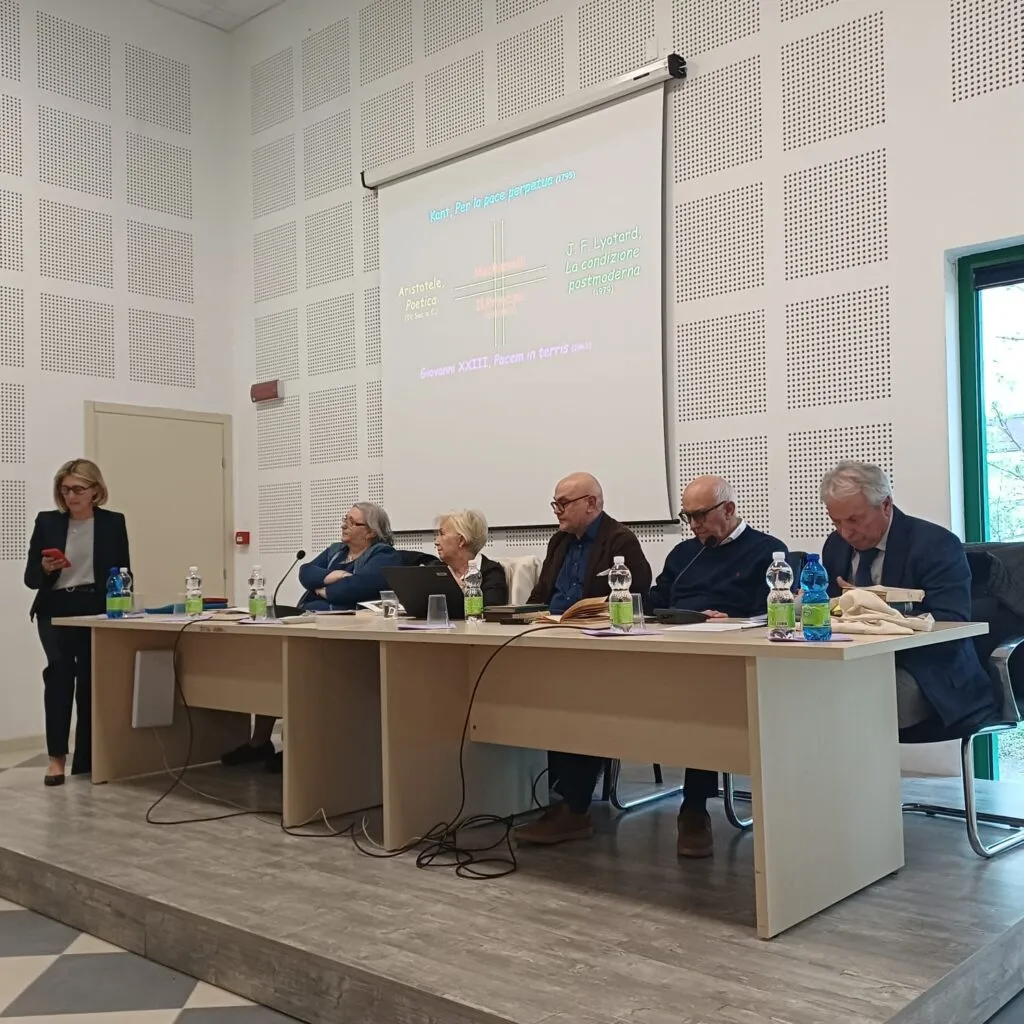
On 28 March 2026, the association Pro 4 Women organized a meeting dedicated to Niccolò Machiavelli, on the eve of the 500th anniversary of his death, which will occur in 2027.
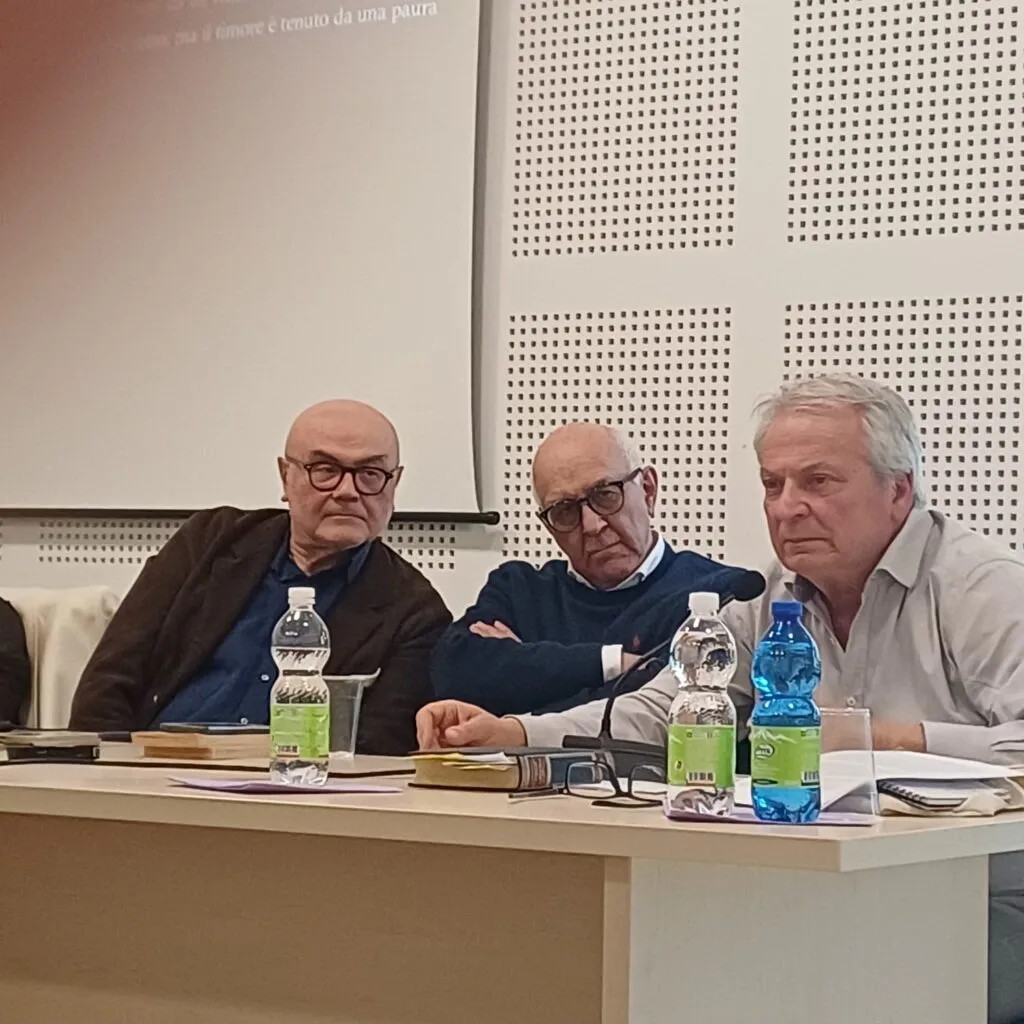
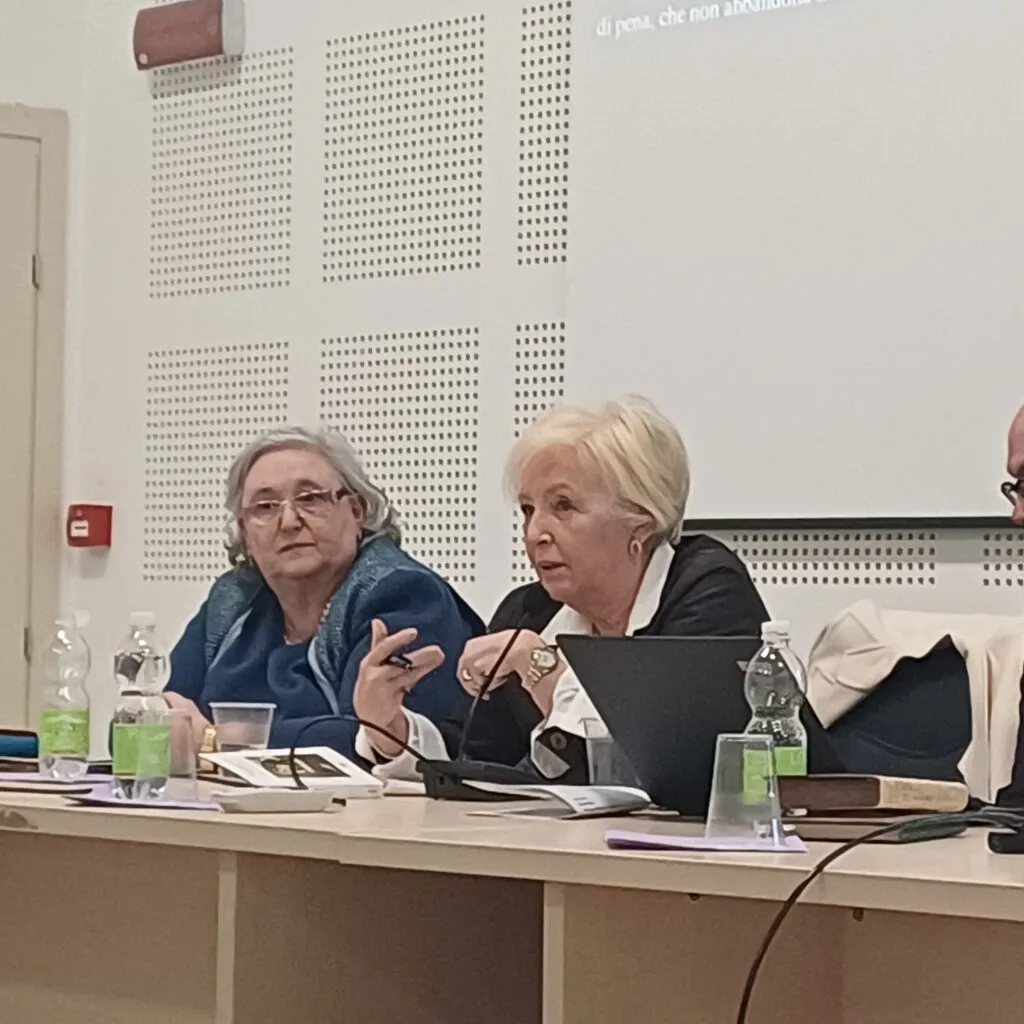
The meeting was held at the Sala Garonzi in Quinzano. The speakers were Prof. Stefano Quaglia, former lecturer in Greek; Giovanni Perez, philosopher, expert on Veronese Futurism, and editor-in-chief of the Verona-based newspaper l’Adige; Lucia Poli, who updated Machiavelli’s message and illustrated its more practical aspects; and Elisa Fichera, who drew a bold parallel between Sun Tzu’s The Art of War and Machiavelli’s work of the same name. Publisher Angelo Paratico moderated the event.
Niccolò Machiavelli (Florence, 3 May 1469 – Florence, 21 June 1527) was the son of Bernardo, a Doctor of Law (1432–1500), and Bartolomea Nelli (1441–1496).
In November–December 1509, Machiavelli was in Verona with Emperor Maximilian I, who had personally intervened in the War of the League of Cambrai against Venice. The chapter “On Ambition,” dedicated to Luigi Guicciardini, dates from this stay. The German Emperor came to receive an oath of allegiance from the citizens in October 1509.
Despite formal Habsburg control, French troops remained to garrison the city, and Spanish troops arrived (the Bastioni di Spagna, near San Zeno, are named for the place where the latter were quartered), totaling 18,000 soldiers. The occupation by the League’s forces was brutal and oppressive, with constant raids and violence against the people of Verona. Attempts at revolt by the Veronese were brutally suppressed with torture and public executions.
Machiavelli is remembered today above all for his *The Prince*, which was published between 1531 and 1532 (by the publisher Blado) and appeared in the Index of Prohibited Books as early as 1559. From that moment, the work – often misinterpreted and harshly criticized – continued to circulate freely in Protestant countries, while in Italy it circulated only clandestinely. Two centuries later, in 1782, Grand Duke Leopold of Tuscany, a proponent of enlightened and reformist policies, had The Prince republished. The work was composed during a painful period in Machiavelli’s life. In 1512, the Medici returned to Florence with the support of the Spanish and the so-called Holy League promoted by Julius II against the French monarchy, a historic ally of the Florentines.
This event marked the end of the Republic, resulting in the removal of Gonfalonier Pier Soderini and all those who had held institutional offices under the previous regime. Niccolò was tried and convicted. Suspected of participating in the conspiracy hatched by A. Capponi and P. Boscoli against the Medici, on 12 February 1513 he was arrested and tortured. He apparently faced life imprisonment but avoided it thanks to Giuliano de’ Medici (to whom he sent two sonnets from prison) and was sentenced to pay a fine. However, after a few days, he was able to leave prison thanks to the amnesty following the papal election of Giovanni de’ Medici (Leo X). Machiavelli retired to the Albergaccio estate in Sant’Andrea in Percussina.
Between the sixteenth and seventeenth centuries
Particularly in France, strong opposition to Machiavelli arose, driven not by a genuine examination of his thought but by domestic political considerations: hostility toward the Italians in the entourage of Catherine de’ Medici, regent after the death of Henry II; the rejection by French Protestants – the Huguenots – of any form of state not based on a religious vision; and the bourgeoisie’s opposition to the establishment of an absolute monarchy based on the power of a single man.
The Eighteenth and Nineteenth Centuries
The Enlightenment thinkers adopted two opposing positions toward Machiavelli: some, such as Frederick II of Prussia, regarded him as a supporter of despotism; others, such as Rousseau and Ugo Foscolo, saw him as a champion of republican liberty. In Italy, during the Risorgimento, Machiavelli was seen as a prophet of the country’s unity; Catholics and Mazzini, however, condemned his political vision, which lacked moral and spiritual principles. Francesco De Sanctis, in his History of Italian Literature, considers him the “founder of modern times” because he overcame the medieval idea of transcendence to affirm man’s full autonomy in the face of history.
From the 20th Century to the Present Day
The instrumental use of Machiavelli’s thought continued in the 20th century: Mussolini interpreted the author of The Prince as a staunch supporter of the totalitarian state, while Antonio Gramsci, imprisoned by the fascists, saw him as a proponent of modern European states. Even today, prominent Italian politicians have written introductions to Machiavelli’s text.
The speakers concluded their meeting by agreeing to organize a new event in Verona in June 2027.
(