(David Benedetti) If you ask a British person what summer means, the answer will probably involve a barbecue that gets interrupted by rain, a desperate search for the nearest patch of sunshine, and the annual debate over whether 23°C counts as a heatwave.
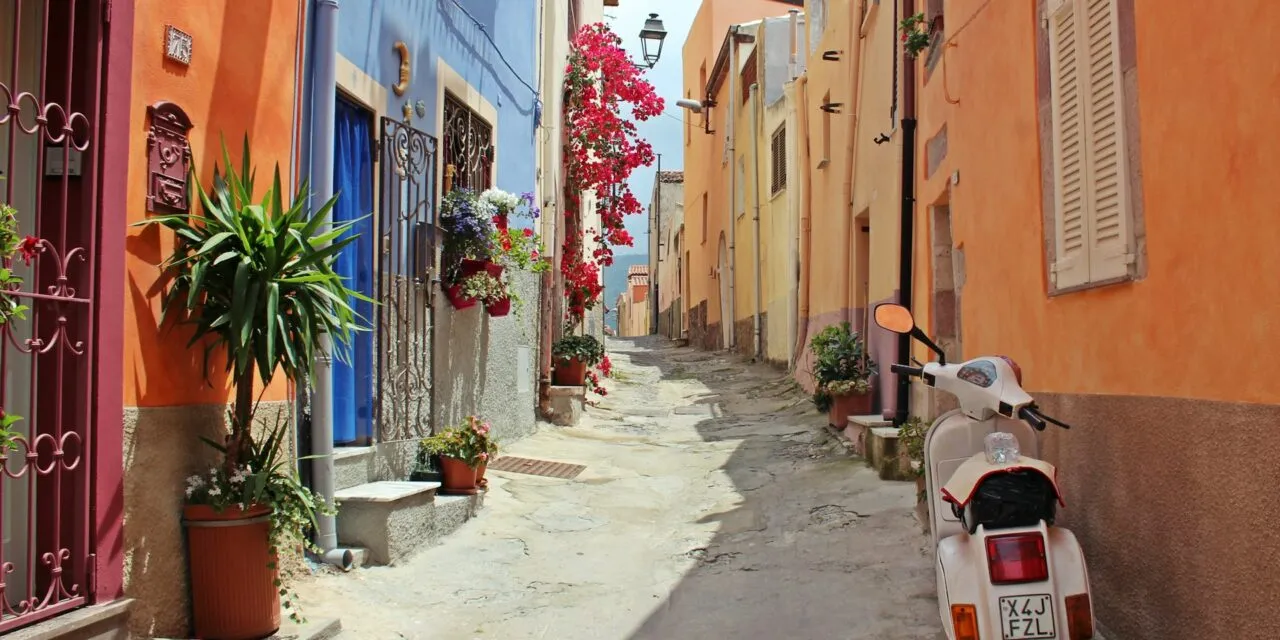
Ask an Italian the same question, and you’ll likely receive a look suggesting you’ve just asked what oxygen is for. Summer is not simply a season in Italy. It is a national state of mind.
For Italians, summer begins long before the calendar says so. The first coffee enjoyed outdoors without a jacket is enough to trigger conversations about beach holidays, family reunions and whether this year’s tomatoes are sweeter than last year’s. By June, entire offices start discussing August as if civilisation itself will temporarily cease to exist—which, to be fair, it almost does.
British vs Italian Summer: Two Different Mindsets
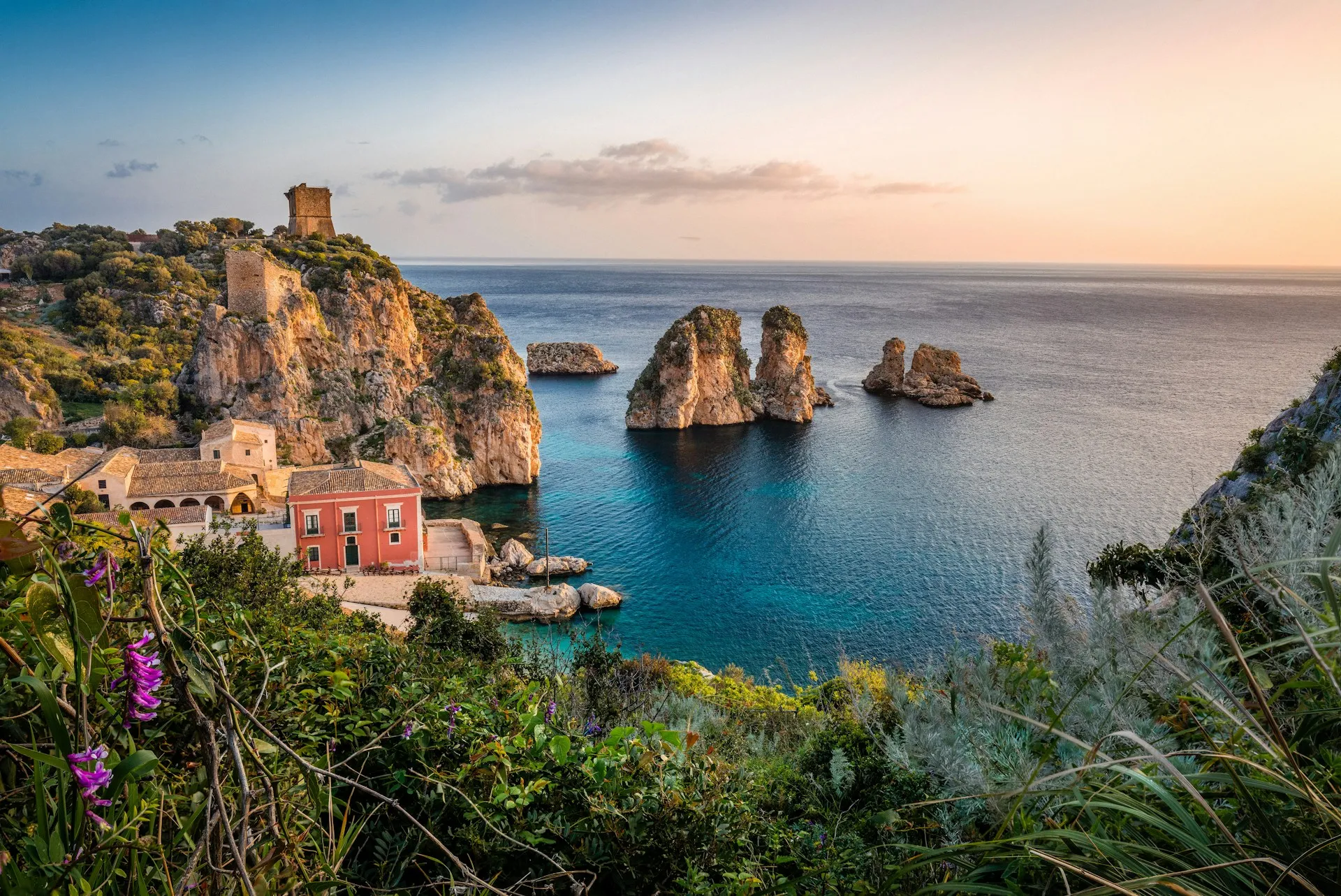
This difference becomes especially clear at the beach. British holidaymakers often arrive armed with windbreakers, folding chairs, cool boxes and enough equipment to survive an expedition to the Arctic. Italians travel lighter but somehow manage to occupy twice as much space. Within minutes, umbrellas are perfectly aligned, children have disappeared into the sea, grandparents are discussing politics at full volume, and lunch appears as if by magic. Nobody is in a hurry because nobody believes the beach is a place where time should matter.
Food, unsurprisingly, plays a starring role. While a quick sandwich may satisfy a hungry tourist, Italians consider lunch an essential part of the day’s architecture. Even during the hottest afternoons, there is usually time for pasta, fresh fruit and, naturally, gelato. Eating while walking? That may be practical, but it feels suspiciously like missing the point.
Then there is the evening. In Britain, a warm summer night is a pleasant surprise. In Italy, it is practically a social obligation. As temperatures drop, towns and cities come alive. Families stroll through historic squares, children race around fountains, friends gather for aperitivo and conversations stretch comfortably past midnight. The Italian word passeggiata—the leisurely evening walk—captures an idea that English struggles to translate: going out with no particular destination because being together is reason enough.
Visitors often notice another uniquely Italian habit: conversations that seem to last forever. Whether standing outside a gelato shop or leaning against a harbour wall, Italians happily exchange stories, jokes and opinions without checking the time. In summer, socialising becomes less of an activity and more of a daily ritual. Of course, Italians also complain. It is simply part of the cultural package. They complain that it is too hot, that tourists have filled every picturesque village, that traffic to the coast is unbearable and that this year’s mosquitoes have declared war on humanity. Yet these complaints are delivered with remarkable affection, rather like criticising an old friend whom you secretly adore.
How Italians Experience Summer Differently
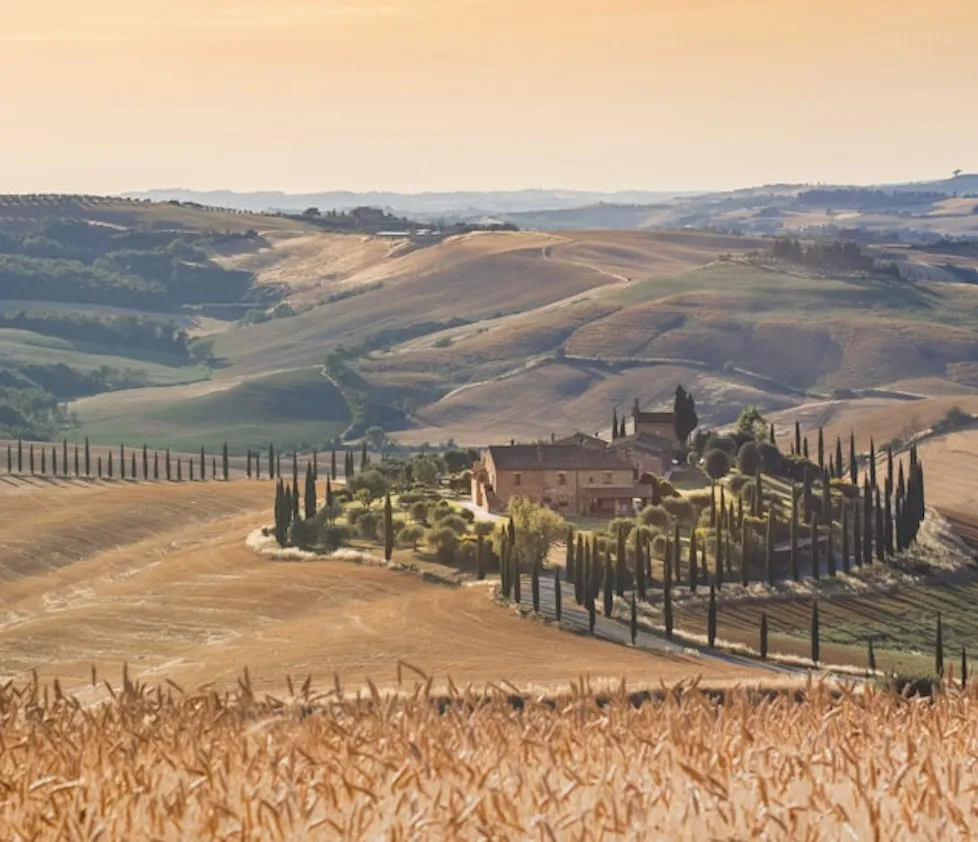
Perhaps this is the greatest contrast between the two nations. For many Britons, summer is precious because it is unpredictable. Every sunny day feels like winning a small lottery. For Italians, summer is woven into the rhythm of everyday life. It is expected, celebrated and, above all, shared.
So if you find yourself in Italy this summer, don’t rush from one attraction to the next. Sit at a café a little longer than planned. Order another scoop of gelato. Join the evening crowds without asking where they are going.
The answer, most likely, is nowhere in particular—and that is exactly the point.