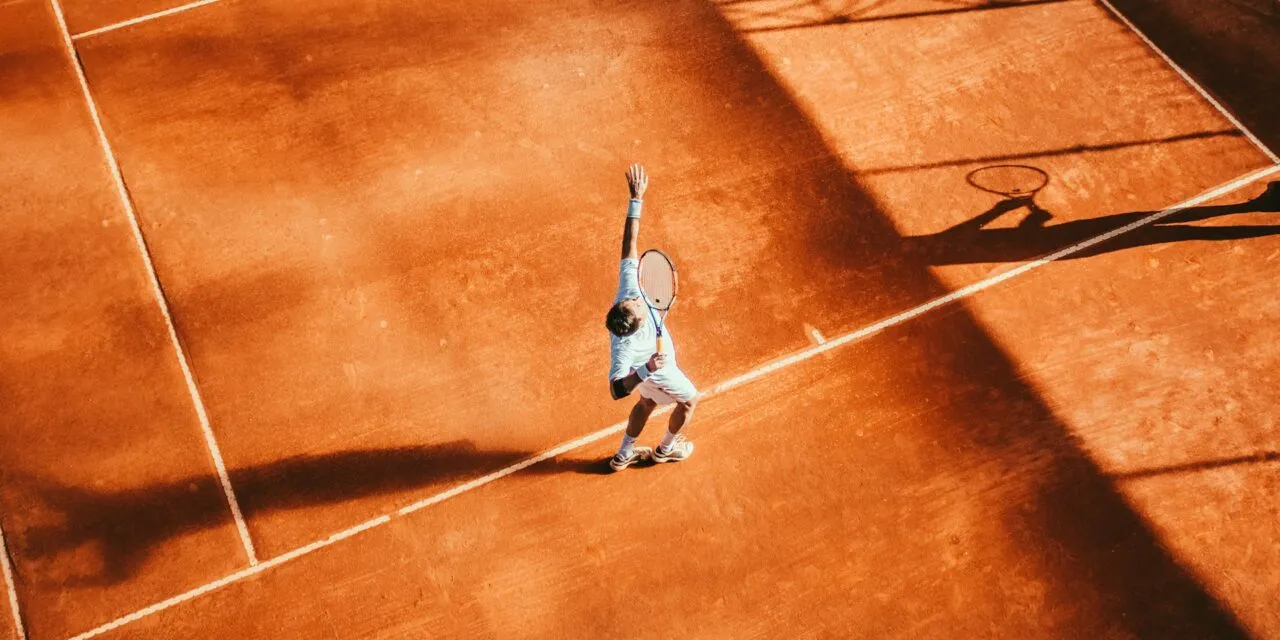
Now Comes the Hardest Part.
(David Benedetti) By winning Wimbledon once again, Jannik Sinner proved he belongs at the top. The real challenge now is staying there—and building a legacy that will outlive his trophies.
Last Sunday’s Wimbledon final was more than another Grand Slam victory for Jannik Sinner. By defeating Alexander Zverev in four hard-fought sets, the Italian world No. 1 confirmed something that had been clear for months: he is no longer a promising champion. He is the player everyone else is trying to beat.
Sinner’s success was not built on spectacular shots alone. It was the product of composure, tactical intelligence and extraordinary mental strength. After losing the opening-set tie-break, many players would have struggled to recover. Sinner did the opposite. He stayed calm, trusted his game and gradually took control of the match. Champions are often defined not by how they start, but by how they respond to adversity. On Centre Court, Sinner responded like a true champion.
His rise has been remarkable. Only a few years ago, he was seen as one of the most talented young players on the ATP Tour. Today, he has become the standard against which every rival is measured. His consistency, professionalism and ability to improve every aspect of his game have transformed him into one of the most complete players in modern tennis.
However, the real challenge starts now.
Winning Wimbledon is an extraordinary achievement; staying at the top is an even greater one. Tennis history is full of players who reached No. 1 but failed to build a lasting legacy. Roger Federer, Rafael Nadal and Novak Djokovic became legends because they remained hungry after every victory. Sinner must now prove that he can do the same.
The pressure will inevitably increase. Every tournament will present new expectations, and every opponent will see beating Sinner as the biggest challenge of the season. Yet his greatest strength may lie beyond his powerful groundstrokes or flawless movement. It is his personality. Quiet, disciplined and remarkably humble, Sinner has never allowed success to distract him from his main objective: becoming a better player.
Italy has produced great champions in many sports, but few have reached the global status that Sinner now enjoys. His victories inspire not only young tennis players but an entire generation of athletes who see commitment and discipline rewarded at the highest level.
So what comes next ?
The answer is simple: history.
Sinner has already become a Wimbledon champion. His next goal is far more ambitious—to become one of the defining players of his era. If he continues to combine talent with determination and humility, future generations may remember him not simply as a great Italian champion, but as one of the greatest tennis players of all time.