The influx had come to a halt due to Covid. But now it is on the rise again. Even in Verona
The influx of Chinese tourists to Italy had come to a halt due to the pandemic, but is now on the rise again. By 2026, it could reach between 2.45 and 2.6 million visitors, according to a projection drawn up by STAMP based on TourMIS/Statista data.
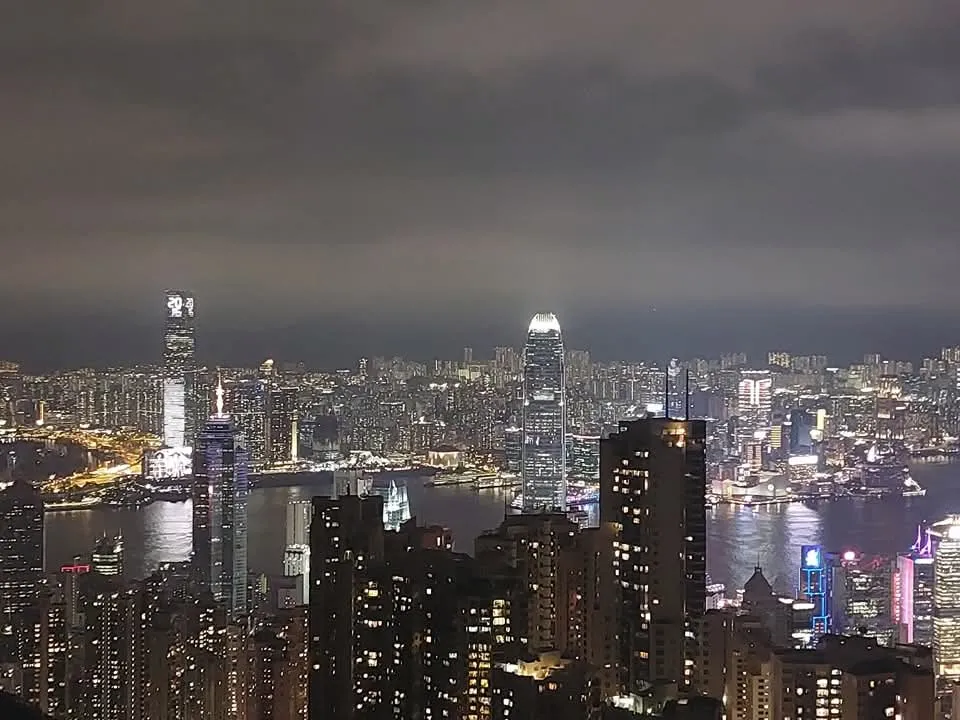
By 2024, arrivals of Chinese visitors (many from Singapore and Hong Kong) had already reached 1.87 million, representing a 64 per cent increase compared with 2023. But their habits are changing. Chinese tourists are now more independent and flexible, with a growing tendency to organise their trips via digital channels. In fact, 56 per cent of Chinese travellers heading to Europe travel as FITs (Free Independent Travellers), favouring longer stays and local experiences linked to shopping, gastronomy and lifestyle.
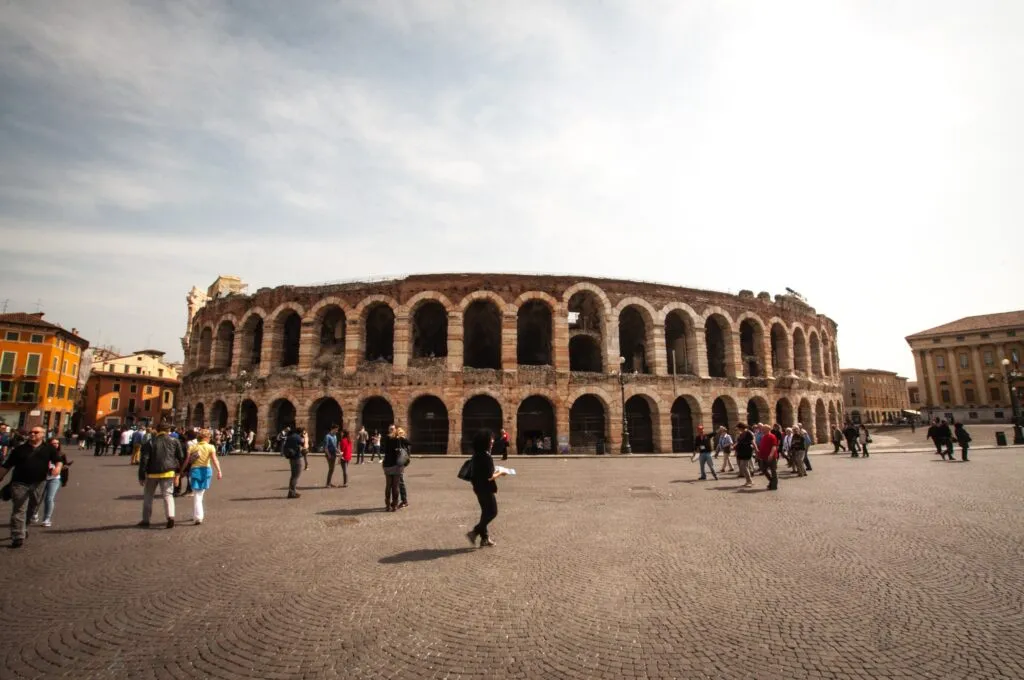
Verona: +118 per cent
This trend is also broadening the range of destinations. Rome, Milan and Venice remain among the most popular destinations, but cities such as Naples (+132 per cent), Verona (+118 per cent) and Florence (+90 per cent) are also growing rapidly.
Spending patterns are changing accordingly, with expenditure increasingly spread across restaurants, independent shops, outlet centres and secondary cities, in addition to the traditional shopping circuits in the major cities of art.
Chinese digital platforms play an important role, particularly Xiaohongshu (RedNote) and WeChat, which are used to search for information on what to see, where to eat and what to buy. It is therefore strategic for Italian retailers to engage with tourists as early as the trip-planning stage and offer them familiar payment methods, such as Alipay and WeChat Pay, alongside simpler and more straightforward tax-free procedures.
The upcoming Golden Week, from 1 to 7 October, represents an important event for the Italian market in this regard. According to Abel Navajas, co-founder and CEO of STAMP, the challenge will be to transform the recovery of Chinese tourism into a widespread opportunity, involving not only major destinations but also regions and businesses that have so far been less affected by international tourist flows.