(Angelo Paratico) Mary de Rachewiltz died yesterday, the 24th July, at the age of 101. She was born in Bressanone on 9 July, 1925. She was an Italian poet and essayist. She was the daughter of Ezra Pound, born of a relationship with the violinist Olga Rudge, originally from Ohio. She was not immediately recognised by her father and was entrusted to a family of Tyrolean farmers in the Puster Valley.
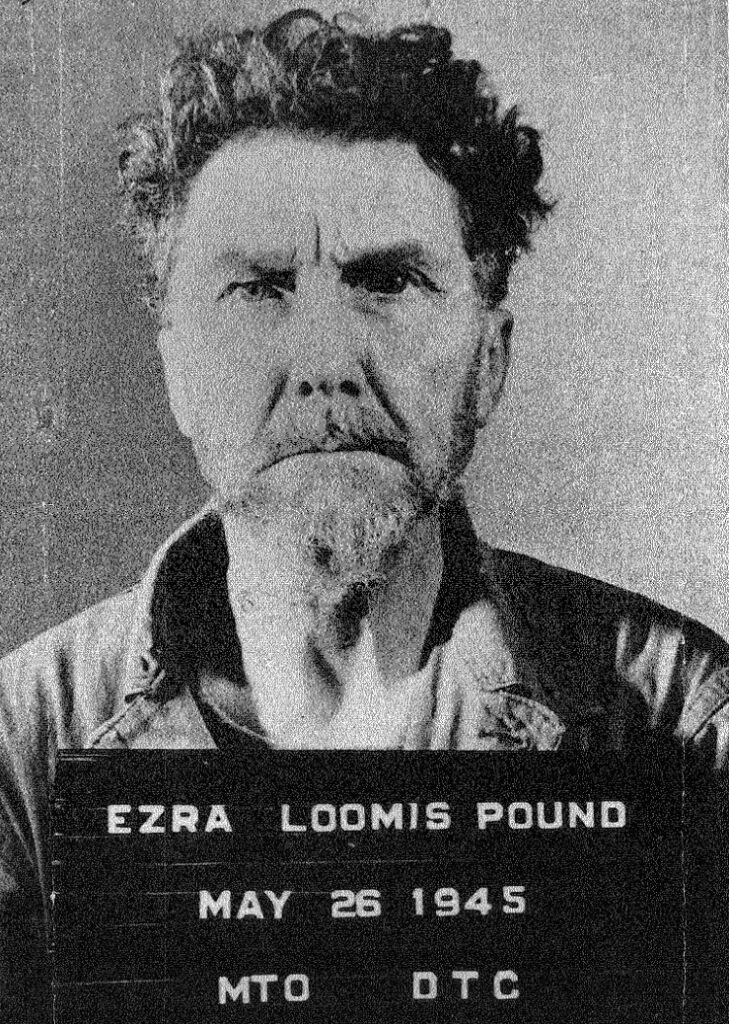
She had a difficult childhood but, being extremely beautiful, Mary married the Italian-Russian Egyptologist Boris de Rachewiltz in 1946. She was reunited with her father after he was arrested by the partisans and handed over to the Americans, who confined him to a cage at the Coltano camp and later at Arena Metato, in the province of Pisa. His pastime whilst in the cage was editing his book on Confucius, which he subsequently published. He faced the death penalty by hanging for high treason, as had happened to John Amery, who was arrested in Como and hanged, despite being the son of the Viceroy of India. Pound was declared insane to avoid being hanged and was confined to a criminal asylum at St Elizabeth’s Hospital, where he remained for twelve years.
In the USA, Mary and her mother were reunited with Pound; they visited him regularly until his release in 1958, which was partly due to an international campaign by writers – a campaign in which he did not take part, stating that: ‘A slave is someone who waits for someone to come and set him free’. On leaving the asylum, Pound remarked that in the United States everyone outside the asylums was mad, and he sought refuge in Italy with Mary, who was living in Tyrol, at Castel Fontana. To those who asked him why he had supported Benito Mussolini, he replied that he had merely tried to educate him.
After her father’s death, Mary lived in Castel Fontana and Merano, where she looked after her father’s archive and maintained contact with artists and scholars studying her father’s work.
Mary never approved of the use of the surname ‘Pound’ and, in 2011, brought a lawsuit to force CasaPound to change its name. In 2016, a court in Rome ruled that CasaPound could use that name, as it was not a trademark belonging to her family.
She will be remembered for having looked after her father and for having kept his archive, letters and writings in order. She is survived by her son Siegfried, whom we had the opportunity to meet last year in Merano, where he had organised a small exhibition of items that had belonged to his mother and acted as our guide, explaining their significance and origin to us.