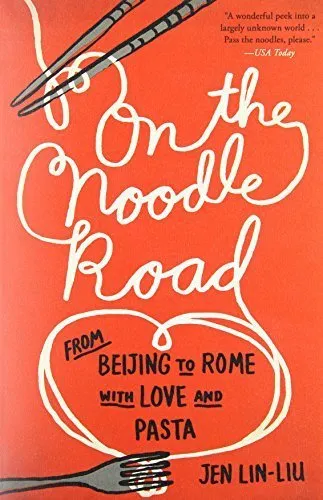
(Angelo Paratico) Chicago-born Jen Lin-Liu has written extensively about food, culture and travel for the New York Times, The Wall Street Journal and Newsweek. Her latest book, On the Noodle Road, is a travelogue dedicated to noodles and pasta across the length of what is known today as the Silk Road. It all began, she tells us, with a cooking class given by Andrea, the chef of Le Fate, a restaurant in the old Roman quarter of Trastevere. “Americans,” said Andrea, “think that Italians use a lot of garlic. We do not use a lot of garlic, delete this information from your brain!”After this frank opening, he proceeded to teach Jen how to prepare dough and pull it into fine spaghetti. Anyone Chinese, of course, would find that strikingly familiar. Andrea went on to show how to prepare orecchiette—which she recognized as something the Chinese call “cat’s ears”—and then tagliatelle. Jen found that Chinese cuisine had something similar to each type of Italian pasta he presented.
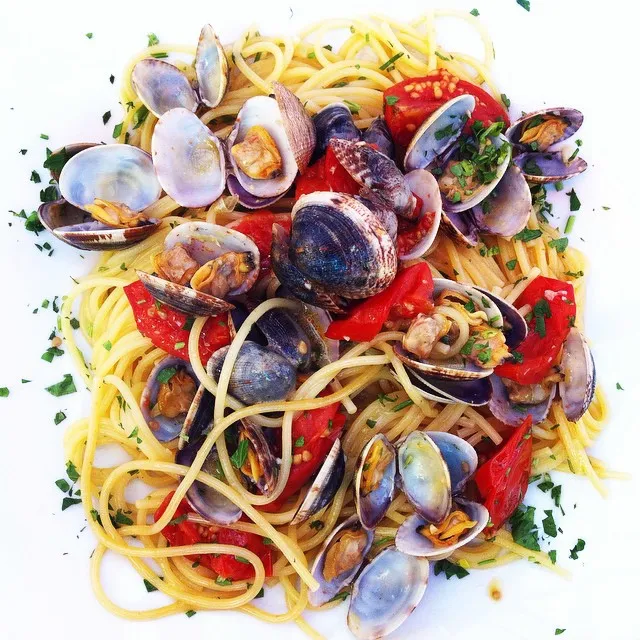
The idea that all pasta had a common origin fascinated her even after research indicated that it was an elusive subject. Might Marco Polo be responsible for bringing spaghetti back from China—as one hears repeated in China over and over? Certainly not, because Italian pasta predates the Venetian traveller. So, where and when did this cross-insemination happen?
In China the oldest noodles were found in a grave dating to two thousand years before Christ, in Lajia, near Lanzhou. As soon as the sealed bowl that contained them was opened, however, the noodles crumbled to dust. But it nevertheless seems that Chinese claims to have invented the first noodles might have some validity, not merely due to this particular archaeological find but also because of the extensive mention of them in historical written records.
After Italy, Jen Lin-Ju moved to Beijing with her American husband, who did not share her enthusiasm for her plan to return to Rome via the “noodle trail” on the Silk Road. However, as we all know, an unenthusiastic husband is no match for a determined wife, and off she went. She travelled one end of the Silk Road to the other, sampling the various different noodles along the way—and then recounting in On the Noodle Road all the details of what she found. Her pages are full of flashbacks about her life, family, politics, culture bringing a touch of Marcel Proust to the humble noodle.
On the Noodle Road is far more than mere culinary research; she explains why food is culture and that people truly are what they eat. Recipes are provided at the end of each chapter, enabling all armchair travellers to sense, if not see, everywhere from Kashgar to Samarkand, Teheran to Bodrum on the Turkish shores of the Mediterranean.
Jen seems however to have missed Hong Kong’s contribution to noodle culture. The now ubiquitous instant noodles were created at the end of the second World War, not by the Japanese but by an Italo-American priest by the name of Fr. John (Giovanni) Romaniello who was feeding refugees and the poor in Hong Kong. Flour in the form of noodles was easiest for people to cook. He was nicknamed “the noodle priest” as a result: an interesting if little known—even in Hong Kong—chapter in the noodle love-story between China and Italy.
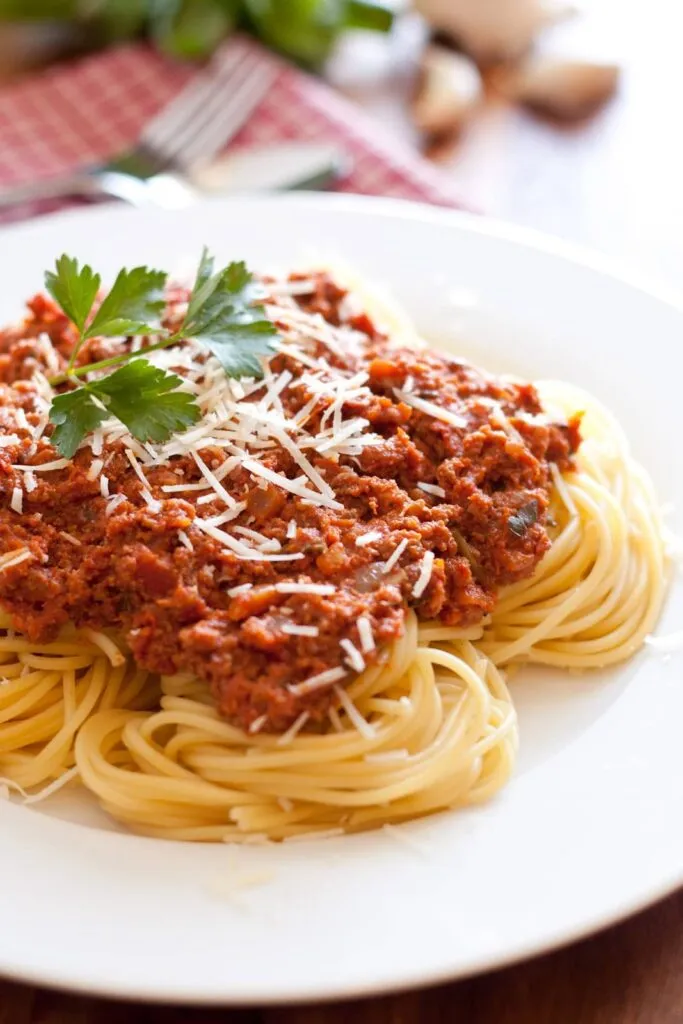
Jen writes extremely well using a colorful and meticulous prose. I was gratified to note that all the Italian names are spelled correctly in her book, something rather uncommon in American publications.
On the Noodle Road is a great read for everyone interested in cultural contacts between West and East. At least as far as a plate of spaghetti is concerned, the twain will always meet and become one.