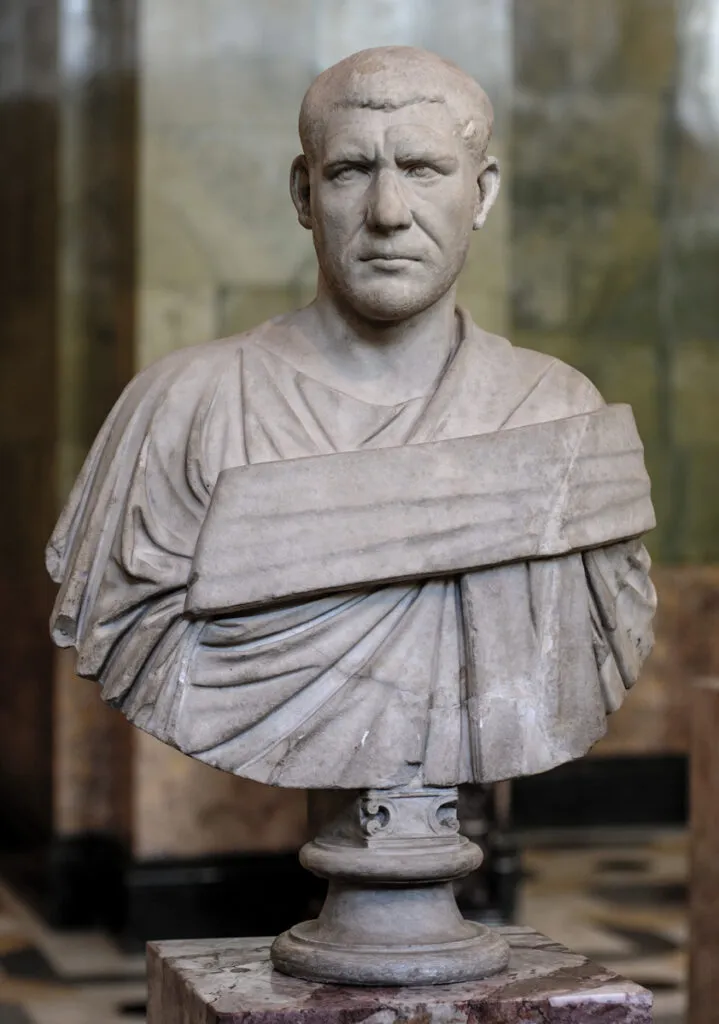
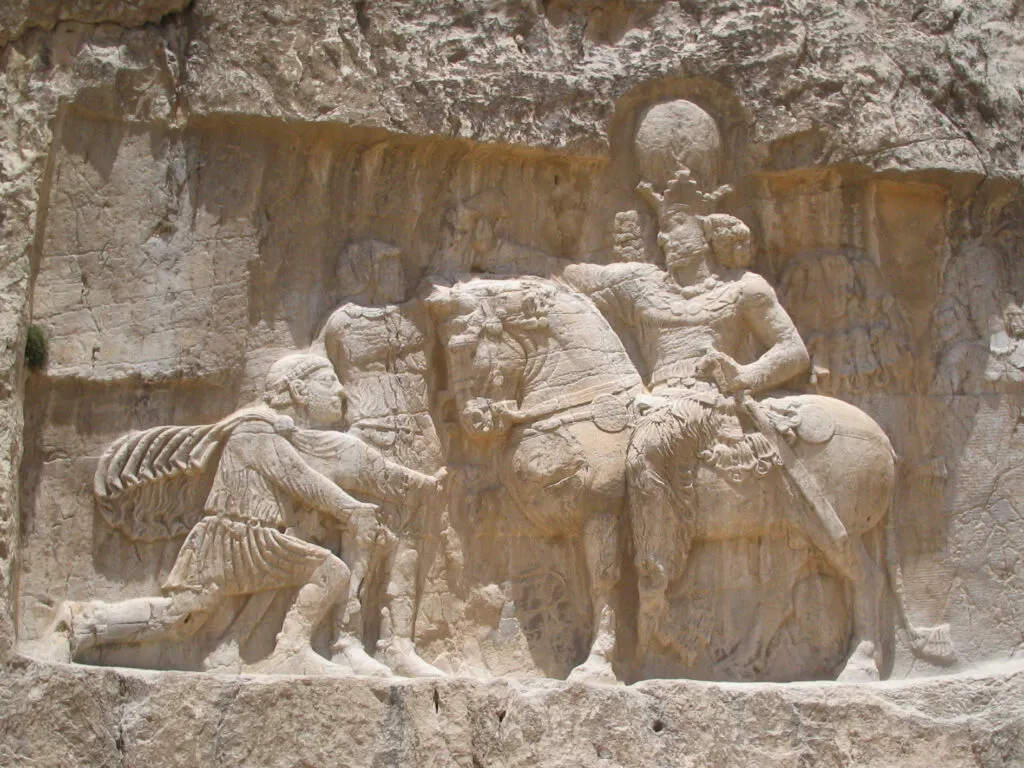
(Angelo Paratico) “The Romans believed that Rome was the center of the world, but the Iranians shattered that illusion; Philip the Arab’s campaign against the Sassanids ended with a peace treaty on the terms of Shapur I, and the emperor was forced to face reality.” This is the tweet posted on May 24 by Iranian Foreign Ministry spokesman Ismail Baghaei, as quoted by the Iranian news agency ISNA. The reference is to the Americans and to Emperor Donaldus Trumpus.
The Roman emperor Gordian III was forced to intervene in Persia to reclaim lost territories; he launched a new campaign against Shapur I in the spring of 243, but the emperor’s sudden death—perhaps an assassination instigated by the praetorian prefect Philip the Arab—led to the cessation of hostilities. Peace was signed, this time with a treaty that was very onerous for the Romans, involving the payment of a staggering 500,000 denarii, an enormous sum.
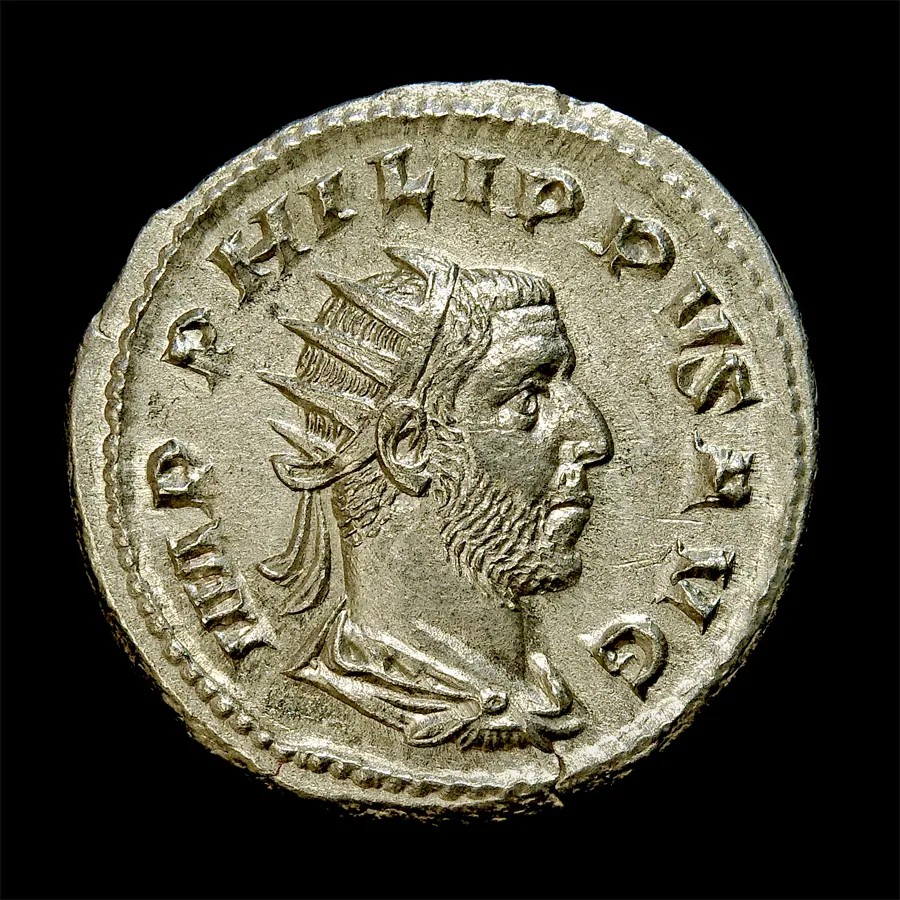
The withdrawal of the Roman armies restored the status quo ante Ardashir’s campaigns of 237–241, and brought about a peace that lasted for eight years, until 252. Thus, part of northern Mesopotamia, as far as Singara, returned to Roman control, to the point that Philip felt justified in taking the title of Persicus maximus.
Few know that Marcus Julius Philippus Augustus (Latin: Marcus Iulius Philippus Augustus), better known as Philip the Arab, died in Verona in 249. We know little about him and his reign, which lasted five and a half years, but it was he who celebrated the millennium of Rome’s founding and was, perhaps, the first Christian emperor.
He had to fight various usurpers. During his reign, a series of revolts broke out in the East: a certain Marcus Iotapianus rose up against the oppressive government and excessive taxation in the territories ruled by Philip’s brother, Priscus, in Moesia and Pannonia; Tiberius Claudius Marinus Pacatianus was acclaimed emperor by the troops; and finally, two other usurpers emerged: Silbannacus in Gaul, whose revolt was quelled by the future emperor Decius.
In Rome, Philip, having learned of the proclamation of Decius—whom he had sent as his representative to subdue the rebels—decided to gather his legions and march against him. The two armies clashed near Verona in the early summer of 249. Decius managed to defeat Philip. The emperor died on the battlefield, perhaps at the hands of his own soldiers, eager to curry favor with the new emperor.
When news of his defeat reached Rome, Severus Philip, Philip’s eleven-year-old heir, who had already been named Caesar, was in turn assassinated, his throat slit by the Praetorian Guard.