(Orazio Albanese) The figures come from Cruscotto Italia, the Italian Digital Agency’s platform that aggregates and displays public data from every municipality in the country. They date back to 2021, but there is little reason to believe they have changed significantly over the past five years, as the employment patterns on which they are based tend to remain relatively stable.
According to the government platform, 52,419 people commute into Verona every day for work. Some come from neighbouring municipalities, others travel from farther afield. The exact distance is largely irrelevant. What matters is that more than 50,000 people enter the city each day.
At the same time, there are those making the journey in the opposite direction. A total of 26,672 Verona residents commute out of the city every day to work elsewhere in the province or beyond.
Together, these two groups account for 79,021 daily commuters travelling to and from Verona. In other words, the equivalent of a city of almost 80,000 inhabitants is on the move every single day.
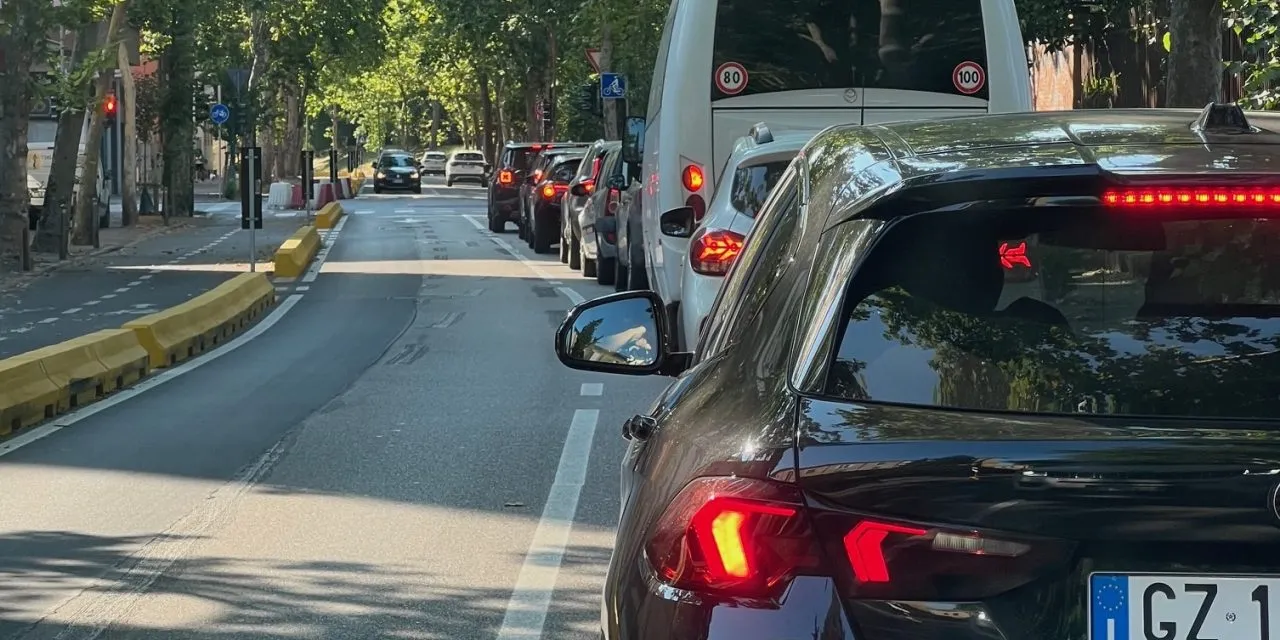
How do they travel? Some undoubtedly take the train. Others rely on buses or motorcycles. But the overwhelming majority commute by car.
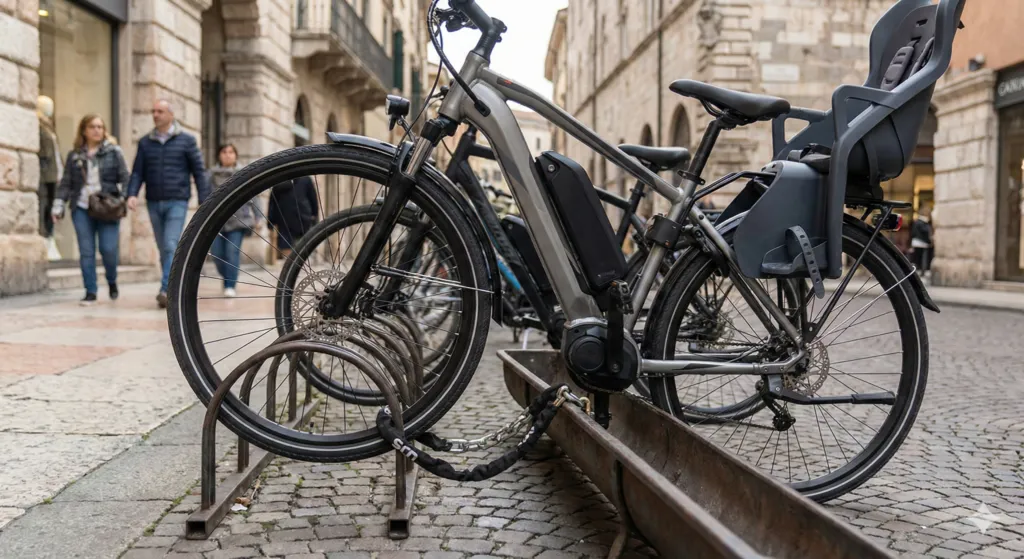
At this point, it is difficult to avoid drawing a conclusion about the mobility policies pursued by Mayor Damiano Tommasi’s administration, which appears driven by the ideological objective of encouraging everyone to walk or cycle, while filling the city with cycle lanes that are, more often than not, largely unused.
80,000 People Commute In and Out of Verona Every Day. Not by Bicycle
Of those 79,021 people travelling into and out of Verona every day, how many actually commute by bicycle?
How many cycle to work from Legnago, Nogara or even Pescantina? The answer is obvious enough.
The reality is that these commuters will continue to rely on their cars, regardless of how many new cycle lanes the municipality decides to build.
One could argue that cycling infrastructure is primarily intended for people who both live and work within the city. Yet judging by how frequently these cycle lanes remain empty—at virtually any hour of the day or night, in sunshine or rain, in the heat of summer or the cold of winter—that does not appear to be happening either.
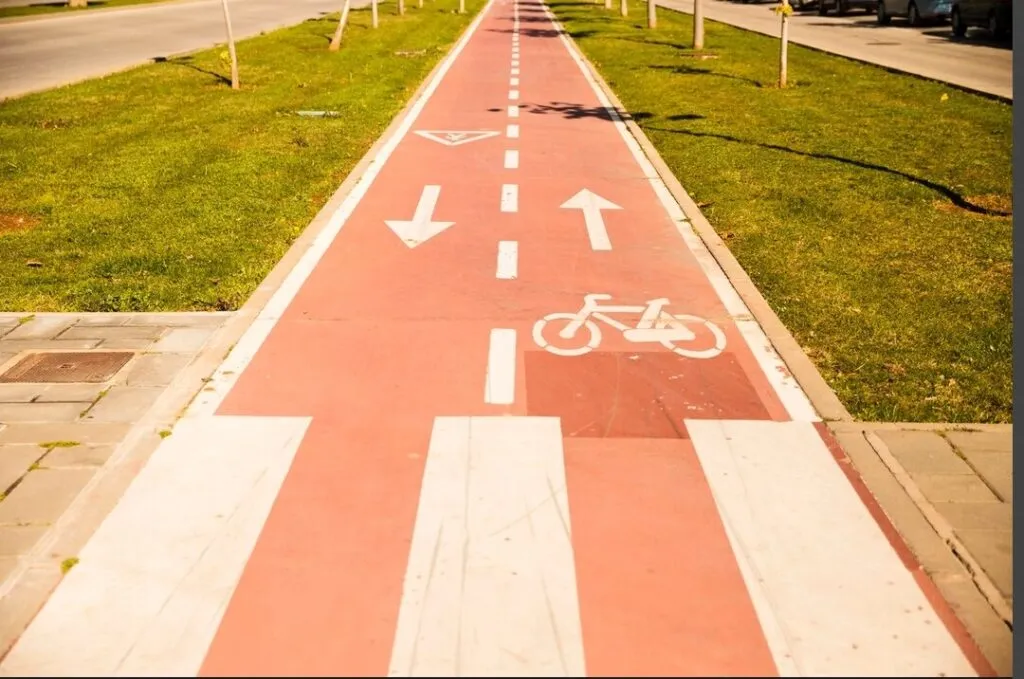
As for the small minority who do choose to cycle—from Montorio to Borgo Trento Hospital, from Ponte Crencano to the ZAI industrial district, or simply across the city—they surely deserve special recognition from the mayor and Councillor Ferrari.
With temperatures reaching 35°C these days, even a short ride under the blazing sun means arriving at the office or factory exhausted, drenched in sweat and hardly presentable. And when it rains, cyclists arrive soaked through—after all, work cannot simply be postponed because of the weather.
Perhaps, then, Mayor Tommasi should officially honour them: a medal, a trophy, or at least a place on a civic roll of merit. It would almost certainly cost Verona’s taxpayers less than the ever-growing bill for building new cycle lanes.