The return of Serie A brings the usual excitement: new managers, ambitious transfers and the eternal question of who will lift the Scudetto. Italian football still possesses extraordinary strengths. Its tactical tradition, historic clubs, passionate supporters and world-class coaches make Serie A one of Europe’s most fascinating leagues.
But beneath the excitement lies a serious problem. Italian football is no longer keeping pace with England, Spain and Germany. The league has talent and tradition, but its system is struggling.
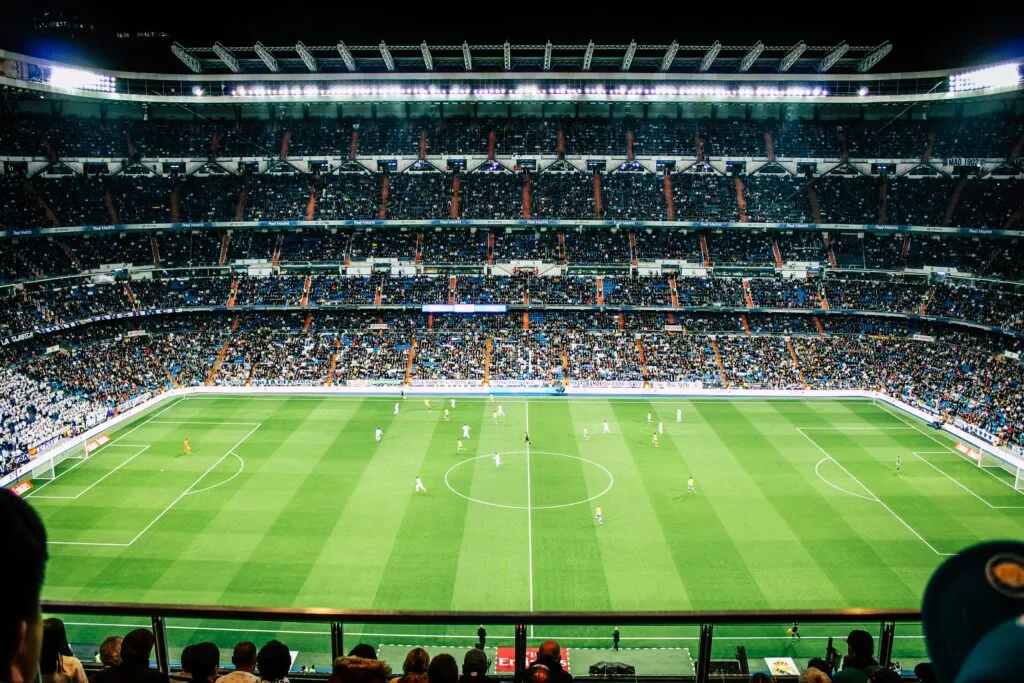
The first major weakness is the stadiums. Too many Italian grounds are old, uncomfortable and difficult to modernise. This is not simply an aesthetic problem. Modern stadiums generate revenue, improve the match-day experience and allow clubs to compete financially with Europe’s richest teams. Italy needs faster planning procedures and greater cooperation between clubs and local authorities.
The second problem is the development of young players. Italy produces talented footballers, yet too few are given regular Serie A opportunities. According to the FIGC, Italy ranks extremely poorly in the proportion of minutes given to Under-21 players. Clubs often prefer experienced players because the pressure to win immediately is enormous.
The solution should be to reward clubs for developing young Italian talent. Instead of simply imposing nationality quotas, the league should provide financial incentives to clubs that give meaningful playing time to academy graduates. Young players need competition, not protection.
Finance is another major concern. Many Italian clubs operate under considerable financial pressure, while revenues remain below those of the Premier League. Stronger financial controls are essential. Clubs should not be allowed to gamble their future in the hope that television income or a European qualification will rescue them.
There is also a governance problem. Italian football involves clubs, leagues, the federation, broadcasters and politicians, all with competing interests. Reform can therefore become painfully slow. Italy needs clearer responsibilities and a long-term strategy that cannot be overturned every time an individual club objects.
Yet Serie A still has enormous potential. Inter, Milan, Juventus, Napoli and Roma remain internationally recognised brands, while ambitious projects such as Como demonstrate that new investment can bring fresh energy.
The challenge is to transform these advantages into a sustainable system.
Italy does not need to copy the Premier League. It needs to modernise its own model: better stadiums, stronger finances, serious investment in youth development, improved governance and more effective international marketing.
The new season should therefore be about more than predicting the next champion.
Italian football has the history, the passion and the talent. What it needs now is the courage to change the system that supports them.
Serie A does not need to become English football.
It needs to become the best version of Italian football.