THE WORK OF TWO ENGLISH ARCHAEOLOGISTS, PETER HUDSON AND SIMON THOMPSON
(Antonella Traina) The 1980s. Verona. The architect Libero Cecchini was commissioned by the city authorities to renovate the Cortile del Tribunale, the former courthouse courtyard. He decided to seek the advice of Giuliana Cavalieri Manasse, head of the Verona office of the Archaeological Superintendency for Cultural Heritage. Excavations had begun to uncover Roman remains.
Verona is not simply a city of columns and amphitheatres. Beneath the asphalt lies another city waiting to be brought back to light.
Cavalieri Manasse had the idea of turning to two English archaeologists, Peter Hudson and Simon Thompson. Across the Alps, particularly in Britain, stratigraphic excavation was already widely practised. It was a new and less invasive method than the approach traditionally used, which involved shovel and pickaxe and the removal of large quantities of earth until the sought-after ruins were reached.
Instead, stratigraphic excavation is based on analysing and interpreting the successive layers of soil. In stratigraphy, each stratigraphic unit is the result of either human or natural activity. By studying these layers, archaeologists can reconstruct the chronological and historical sequence of a site.
In Italy, this was the first time anyone had decided to excavate not horizontally, but vertically through time. It marked the beginning of an excavation campaign that would last more than 20 years, gradually revealing Roman Verona and producing boxes of artefacts which, it is hoped, can soon be displayed on the top floor of the National Archaeological Museum of Verona. This would provide a complete chronology of the city, from the Palaeolithic, when the first humans settled here, through to the Roman period.
The task of launching these excavations was entrusted, as mentioned, to Peter Hudson, who was soon joined by his childhood friend and fellow archaeologist Peter Thompson.
THOMPSON AND THE EXCAVATIONS AT CORTE SGARZERIE
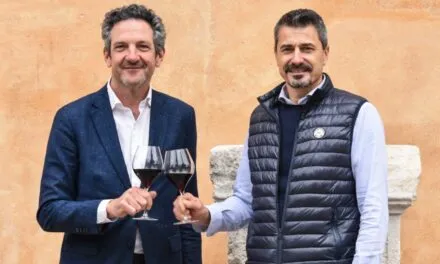
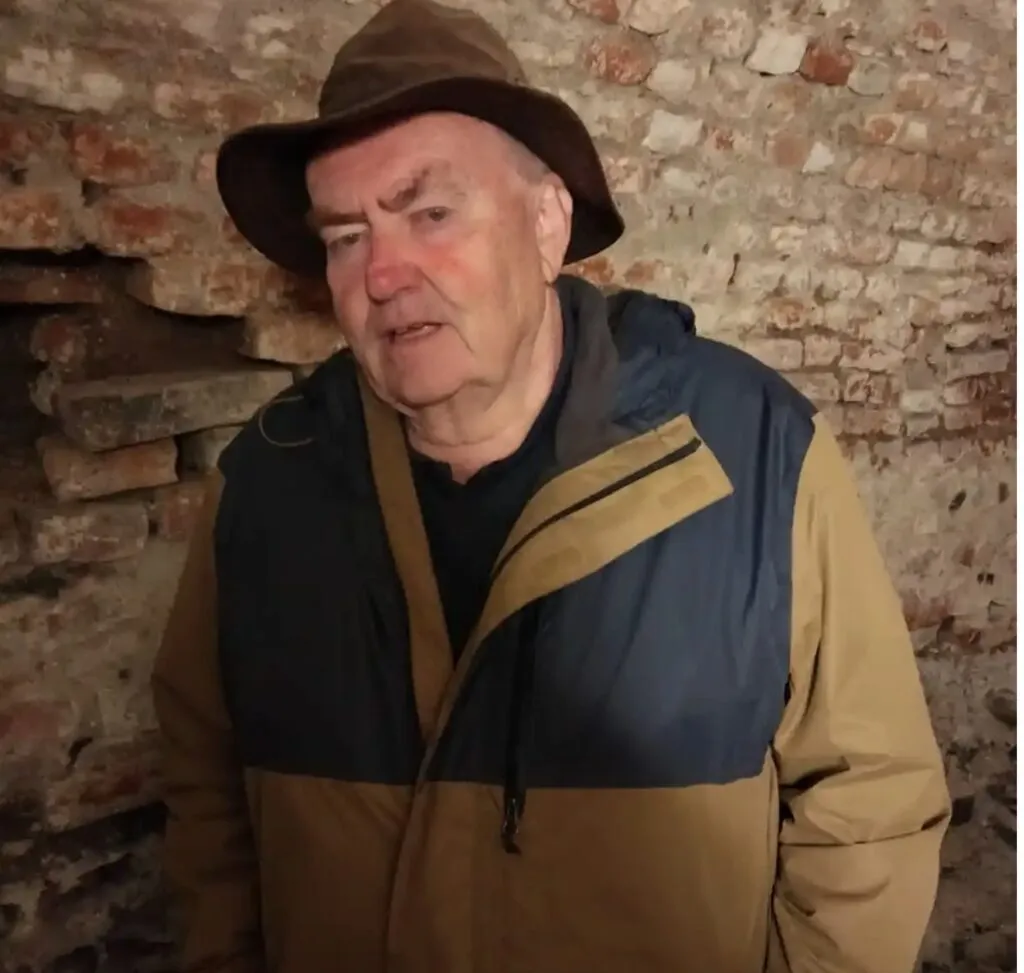
Hudson died in 2019, while Simon Thompson, now retired, still lives in Verona. Both men settled here after marrying women from the city.
“Peter and I were schoolmates, both from Manchester,” Simon Thompson recalls. “He had graduated in archaeology, while I spent a year at university before taking a gap year and setting off travelling. It was 1968, but Peter’s invitation intrigued me. I liked archaeology then, and I still do, because it combines the manual work of excavation with the intellectual work of cataloguing artefacts and studying the different layers.”
But the introduction of the new stratigraphic method was not immediately welcomed.
“It was completely unknown in Italy,” Thompson continues. “The sight of two foreigners like us,
working with assistants and moving small quantities of soil with trowels and hand shovels, left everyone astonished — even officials from the city’s technical department and the archaeological authorities.” Gradually, however, the stratigraphic technique took hold and spread throughout Italy.
Verona was the pioneer. Archaeologists were beginning to understand that excavation should not be carried out with “great blows”, stripping everything away in order to reach whatever remained of the monumental Roman past. Doing so meant losing everything in between: houses, roads, rubbish and household objects from later periods, all of which were equally important in understanding how Verona evolved and developed after the Roman era.
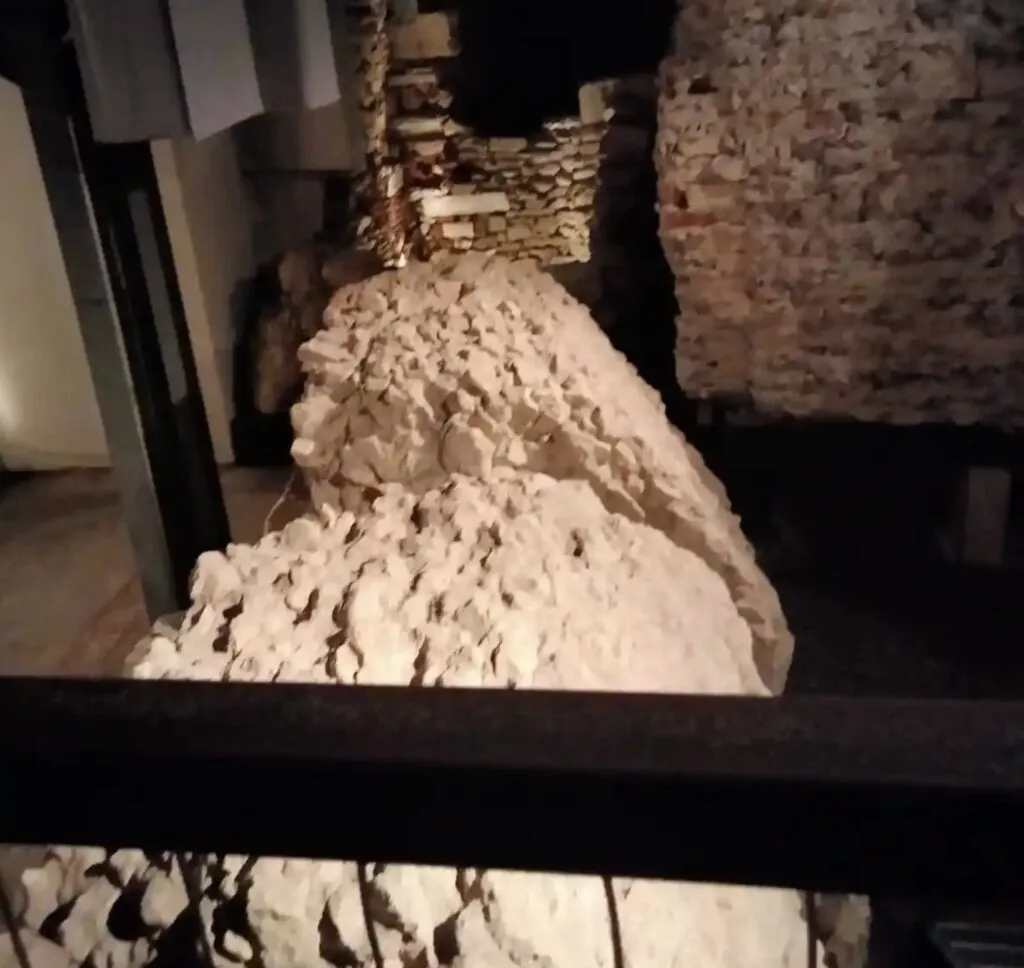
In effect, much of Roman Verona was brought to light by Hudson, Thompson and the team of young archaeologists who worked alongside them. Excavations were carried out in the Monte dei Pegni area, beneath Palazzo Maffei and beneath the 12 Apostoli restaurant, all close to Piazza Erbe, the site of the ancient Roman forum. There, archaeologists uncovered the remains of a basilica and a temple dedicated to Jupiter Capitolinus. In the 1990s, a Roman necropolis was discovered in an area adjoining Stradone Porta Palio. Further excavations were carried out in Via Albere, in the Spianà area.
In 2021, during construction work for a new supermarket in Corso Venezia, archaeologists uncovered 70 Roman tombs. “The Romans placed their necropolises along the roads leading out of the city. Their laws prohibited the creation of cemeteries close to inhabited areas.”
In 2010, some of the young people who had worked with Peter Hudson and Simon Thompson founded Archeonaute, an association established to promote Verona’s artistic and archaeological heritage. It now manages a number of archaeological sites in the city. It also organises archaeological education programmes in schools, as well as trips, exhibitions and cultural events throughout Italy devoted to archaeology.
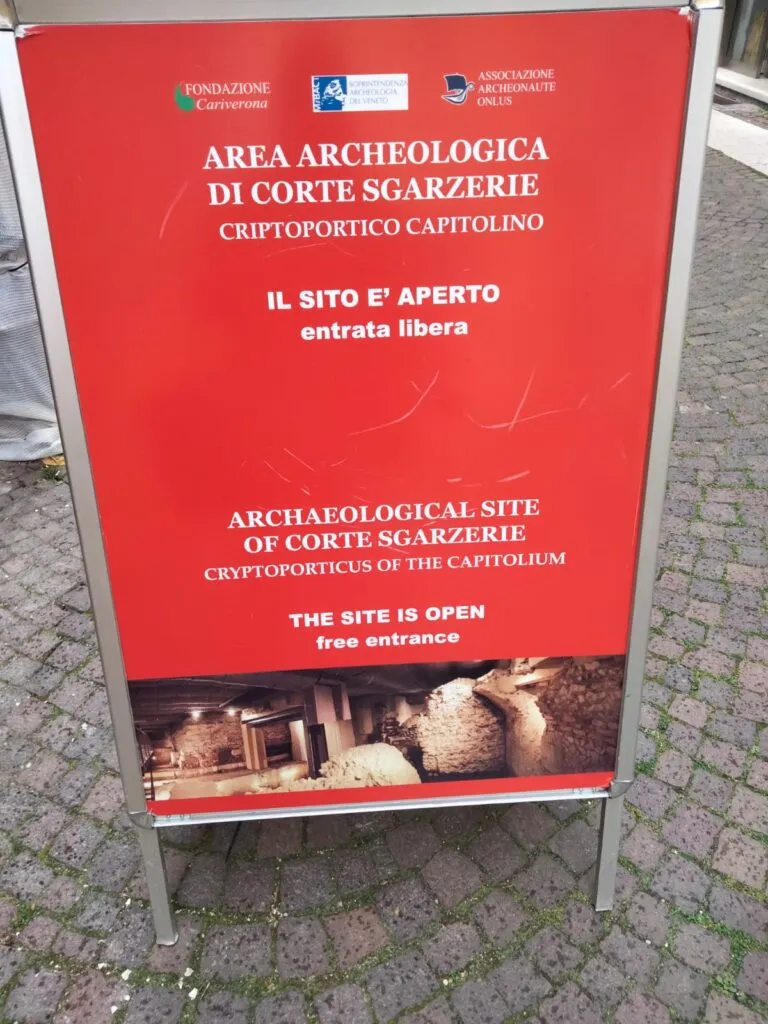
Since 2014, Simon Thompson has been a member of the association and is responsible for keeping the Corte Sgarzerie archaeological area open to the public. The site preserves the remains of the Capitolium, the monumental temple dedicated to Jupiter, Minerva and Juno. Thompson can be found there on Saturday and Sunday mornings, from around 10am until noon.
“Archaeology is important because it helps people understand the history of a place and what has been done here. It is a cultural obligation,” he concludes.
I’ve kept the translation faithful to the original while giving it a British newspaper register: “brought to light”, “the monumental Roman past”, “archaeological authorities”, and similar choices give it a more polished Telegraph-style feel without introducing facts that are not in the Italian.