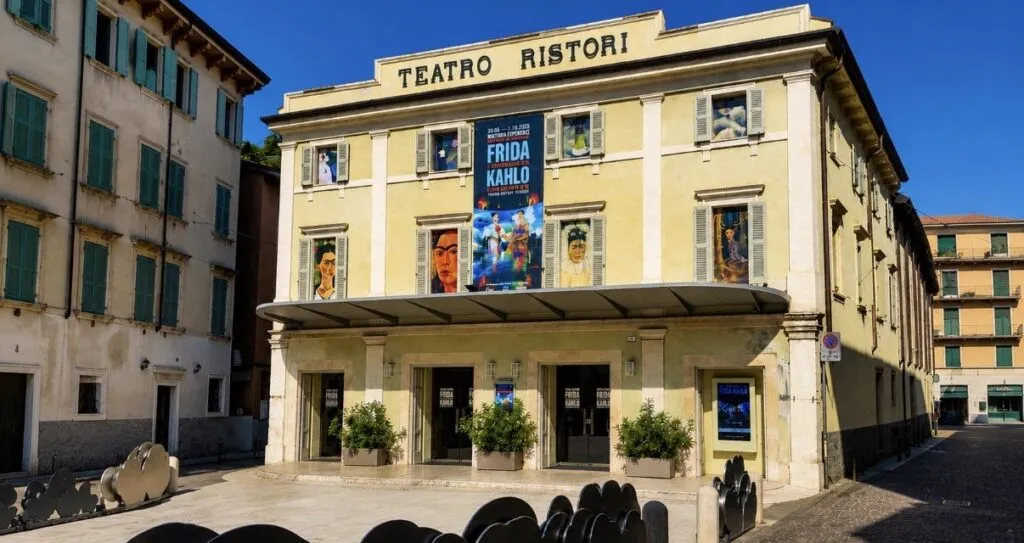
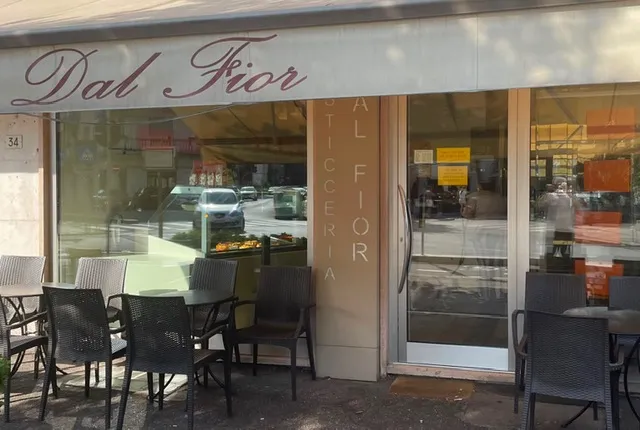
(Donatella Dal Maso) The ticking of the clock marks Massimo’s perfection every day: the pastries emerge from the oven unrivalled, the result of continuous and arduous work. The Dal Fior shop was opened by his father Angelo way back in 1963 and then, in the 1990s, his son Massimo, born in 1957, joined the business, and together they have built a wonderful family legacy. The shop is on Via Nino Bixio, in the Borgo Trento area, one of Verona’s most exclusive neighborhoods. It is frequented by a clientele with a sweet tooth, drawn by some particularly tempting and mouth-watering pastries.

I’m certain of it: Massimo’s little mignon pastries seem to breathe. They’re incredibly fragrant and take on distinctive flavors, releasing some very unusual tastes. On a rainy morning, when you step into the shop, let yourself be enveloped by the intense aroma of caramelized citrus fruits and the sugary sweetness of dark chocolate: who wouldn’t be tempted to buy a pastina?
Massimo, I’m so curious. How do you make your pastries so light and fluffy?
‘It’s all about working the base dough thoroughly – that’s key – especially ensuring it’s properly aerated. Sponge cakes, for example, need careful attention to ensure they develop a good honeycomb structure, so that they turn out very soft in the end. There’s also a technical aspect to using the right temperature for the butter – specifically the main variety, Belgian Corman, a leader in the processing of dairy fats.”
Your basic pastries are very light: how do you manage to make them that way?
“You have to keep incorporating air, more and more of it. That’s what makes the creams so light; otherwise, they become too heavy.”
Is it better to say ‘mignon’ or ‘pastina’?
“Mignon is very elegant, even though it’s a French term. The result makes an impression on us pastry chefs; we certainly prefer it.”
What’s the difference between truffles and pralines?
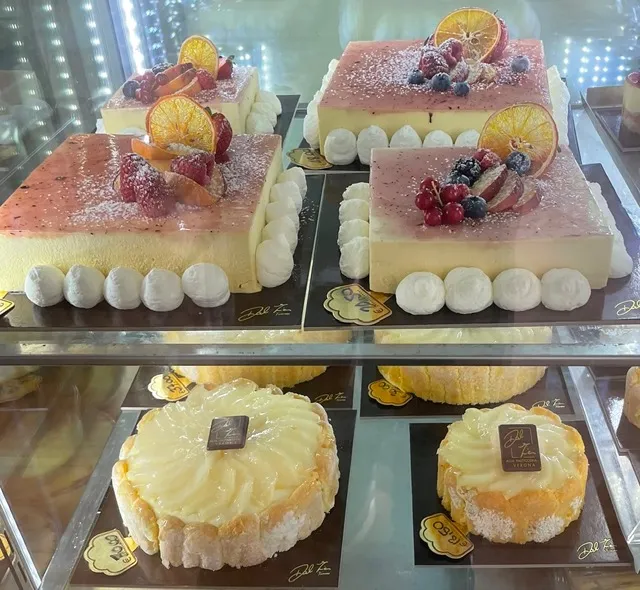
‘Truffles are a type of praline but have some specific characteristics: they contain a certain soft, creamy filling. Pralines, on the other hand, are completely filled, for example with hazelnuts.’
Famous sweets are made for the festive season. Which ones do you make? I remember the famous ‘Casetta nel Bosco’ for New Year’s Day…
“That’s true, I always make the ‘Casette del Bosco’ biscuits for Saint Lucy’s Day. I’ve noticed, however, that some panettone varieties are proving popular for Christmas; for example, customers are intrigued by the one leavened with fresh lemon. This way, I offer something different whilst keeping the classics with candied fruit, raisins and the three chocolates.”
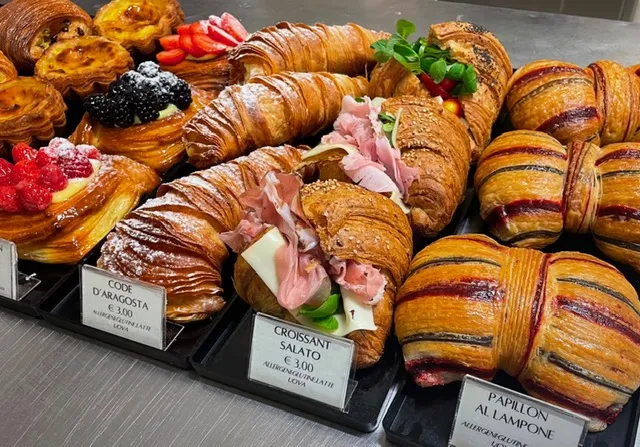
Do you change your range of small pastries every season? And what have you called them?
“The cream-filled pastries are more popular in winter. In summer, on the other hand, I use lots of fresh fruit, which is light and more appealing than chocolate, which is obviously better suited to the cold weather. I try to vary the products and tempt my customers to try new items. I don’t give individual pastries fancy names, but rather name them after what’s inside; a mignon might simply be called by its ingredient: Coconut, Mandarin, Chocolate, etc…»
What chocolate do you use? And why?
“I use Belgian Callebaut chocolate. I appreciate it for its excellent quality and I like its flavour and aroma – it strikes just the right balance.
I use the 60 per cent cocoa content variety, which offers a good balance, and I use this as my standard. If I want to make certain creations, I also have 70 per cent and 80 per cent bars. I like that too. That’s also why I go to the trade fair in Rimini in January and then the one in Turin; if there’s anything new, it’s always interesting.”
Dal Fior’s most popular cakes
Which cake is most popular with your customers?
“Well, that varies a bit from time to time: the Millefoglie, the Crostata, the Profiteroles, the Semifreddo and, at the moment, the Setteveli mousse. Let me explain it briefly. This cake consists of a sponge base made with Apulian almonds, Piedmont hazelnut mousse, Madagascan chocolate and a crunchy gianduia base with cereals, with layers of cocoa placed inside the cake.”
I’d go mad about that! Changing the subject… I’ve noticed that your biscuits are often on display in the shop. Did you come up with them yourself? Which ones are your favourites?
“Despite my age, I’m always curious: I travel, taste and learn. I keep up with new techniques and I also like to try new flavors, drawing on different inspirations and ideas. In short, my biscuits are entirely handmade and are very popular with customers, such as the ‘Brutti e Buoni’ and the ‘Noccioloni’.”
What’s your worst flaw?
“I’m too confident and take risks on very important matters. I might even make mistakes over trivial things and get rather nervous straight away. One flaw is that I’ve stayed stuck here; I’ve never tried to broaden my horizons, perhaps by opening another shop. Another shortcoming is that I work too many hours in the workshop. My wife reminds me that I spend far too much time ‘in the shop’, and even my dear sales representatives tell me I’m one of the few pastry chefs who works so hard.”
What is your greatest strength?
“My greatest strength is striving for absolute perfection and the very best results in my work as a pastry chef.”